
Embark on a thrilling adventure with Rock Climbing Gear and Essentials, exploring the key elements required to scale those challenging cliffs and reach new heights of excitement. From proper footwear to essential safety equipment, this guide has you covered for a successful climb.
Learn about different harness types, choosing the right climbing rope, and more to ensure a safe and exhilarating rock climbing experience.
Rock Climbing Gear and Essentials
Proper gear and equipment are crucial for a safe and enjoyable rock climbing experience. One of the most important pieces of gear is proper footwear, as it provides the grip and support needed for climbing various surfaces.
Importance of Proper Footwear
Wearing the right climbing shoes is essential for traction on different types of rock surfaces. Climbing shoes have sticky rubber soles that help climbers grip onto holds and edges effectively. They are designed to be snug-fitting to provide maximum sensitivity and precision while climbing.
Types of Harnesses
There are different types of harnesses used in rock climbing, including waist harnesses, full-body harnesses, and chest harnesses. Waist harnesses are the most common and provide support around the waist for climbing. Full-body harnesses offer additional support for the chest and legs, making them ideal for beginners and children.
Essential Safety Equipment
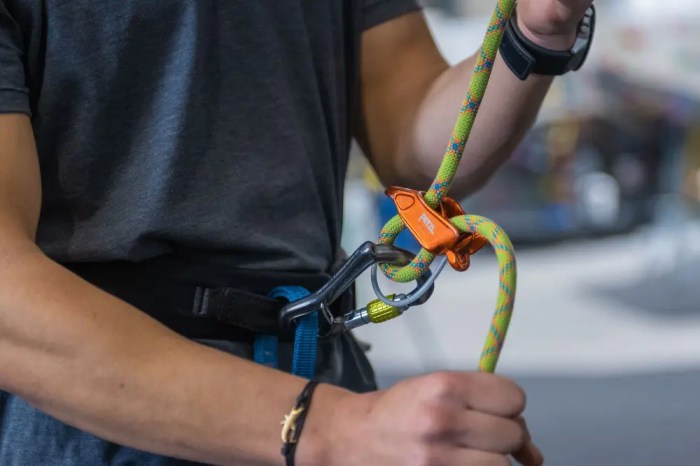
Safety equipment such as helmets, carabiners, belay devices, and quickdraws are essential for protecting climbers in case of falls. Helmets protect the head from falling rocks and debris, while carabiners and belay devices are used for securing ropes and anchoring climbers. Quickdraws are used to connect the rope to bolts along the climbing route.
Choosing the Right Climbing Rope
When choosing a climbing rope, factors to consider include the type of climbing (sport, trad, or alpine), the diameter and length of the rope, and the rope’s impact force and dynamic elongation. Thicker ropes offer more durability and abrasion resistance, while thinner ropes are lighter and more suitable for advanced climbers on difficult routes.
Shopping Vacation
Planning a shopping vacation can be an exciting way to explore new cultures, support local artisans, and bring back unique souvenirs. Whether you prefer bustling cities or quaint villages, there are plenty of shopping destinations around the world waiting to be discovered.
Best Shopping Destinations
When it comes to shopping vacations, some destinations stand out for their variety of shops, markets, and boutiques. Here are a few top picks:
- Tokyo, Japan: Known for its cutting-edge fashion and eclectic street style, Tokyo offers a mix of traditional and modern shopping experiences.
- Istanbul, Turkey: With its vibrant bazaars and markets, Istanbul is a paradise for those seeking unique textiles, ceramics, and spices.
- Paris, France: The fashion capital of the world, Paris is home to designer boutiques, vintage shops, and charming flea markets.
- Marrakech, Morocco: Get lost in the bustling souks of Marrakech, where you can haggle for colorful textiles, leather goods, and intricate pottery.
Finding Unique Souvenirs
One of the joys of shopping while on vacation is finding special souvenirs to remind you of your travels. To discover unique gifts, consider:
- Exploring local markets and artisanal shops for handmade crafts and traditional items.
- Looking for items that reflect the culture and heritage of the destination, such as local artwork or culinary specialties.
- Seeking out hidden gems off the beaten path, away from tourist hotspots, for one-of-a-kind finds.
Benefits of Shopping Locally
Shopping locally while on vacation not only allows you to support the local economy but also gives you a more authentic experience. By purchasing goods directly from local artisans and businesses, you can:
- Contribute to the preservation of traditional crafts and cultural practices.
- Interact with locals and learn about their customs, traditions, and way of life.
- Bring home unique, ethically sourced products that have a story behind them.
City vs. Village Shopping
Whether you prefer the hustle and bustle of a city or the charm of a village, both settings offer distinct shopping experiences:
- In bustling cities, you’ll find a wide range of shops, from luxury boutiques to street markets, offering diverse products and styles.
- In quaint villages, you can discover hidden treasures in local artisan workshops, boutique stores, and farmers’ markets, often with a more personalized shopping experience.
- Each setting has its own unique atmosphere and appeal, catering to different preferences and shopping interests.
Arctic and Polar Expeditions
Embarking on an Arctic or Polar expedition presents both challenges and rewards unlike any other adventure. The extreme cold climates, vast icy landscapes, and unique wildlife make these expeditions a truly unforgettable experience.
Challenges and Rewards
Arctic and Polar expeditions offer a chance to test your limits in some of the harshest environments on Earth. The challenges include freezing temperatures, strong winds, and isolation, which can push adventurers to their physical and mental limits. However, the rewards are equally remarkable, from witnessing the stunning beauty of the icy landscapes to encountering rare wildlife like polar bears, seals, and arctic foxes.
Essential Gear for Survival
Surviving in the extreme cold of the Arctic requires specialized gear to keep you warm and safe. Essential items include insulated clothing, waterproof outer layers, sturdy boots with good grip, high-quality sleeping bags, and reliable communication devices. Additionally, carrying enough food and water supplies is crucial for sustenance in remote polar regions.
Unique Wildlife and Landscapes
The Arctic is home to a diverse range of wildlife, including iconic species like polar bears, walruses, and beluga whales. The landscapes are dominated by icebergs, glaciers, and tundra, creating a breathtaking backdrop for exploration. Witnessing the Northern Lights dancing across the sky is also a magical experience that can only be found in the Arctic.
Preparing for an Arctic Adventure
Physically and mentally preparing for an Arctic expedition is essential to ensure a safe and successful journey. Building endurance through regular exercise, cold weather training, and mental fortitude are key aspects of preparation. Familiarizing yourself with survival techniques, emergency protocols, and the local climate conditions will also help you navigate the challenges of the Arctic wilderness.
Music Festival Tour
Music festivals offer a unique experience filled with live music, vibrant atmospheres, and a sense of community. Attending a music festival is a great way to discover new artists, connect with fellow music lovers, and enjoy a memorable outdoor event.
Must-Have Essentials for a Successful Music Festival Experience
- Comfortable footwear to navigate through different stages and terrains.
- Sunscreen and hats to protect yourself from prolonged sun exposure.
- Reusable water bottle to stay hydrated throughout the day.
- Portable phone charger to keep your devices powered up for capturing memories.
- Earplugs for sensitive ears during loud performances.
Camping at Music Festivals and Staying Safe in Crowded Areas
- Choose a reliable tent and camping spot away from high traffic areas.
- Secure your belongings and valuables to prevent theft.
- Stay aware of your surroundings and trust your instincts in crowded spaces.
- Establish meeting points with your group in case you get separated.
- Familiarize yourself with emergency exits and first aid stations.
Discovering Hidden Gems and Lesser-Known Music Festivals
- Explore local music scenes to find unique festivals with niche genres.
- Follow social media pages and websites dedicated to music festival listings.
- Consider attending smaller festivals for a more intimate and authentic experience.
- Ask fellow music enthusiasts for recommendations and insider tips.
- Be open to exploring new destinations and cultures through music festivals.
Rainforest Exploration
Rainforests are incredibly diverse ecosystems that are home to a wide variety of plant and animal species. The lush vegetation and high levels of rainfall create a unique environment that supports life in countless forms. Conservation of rainforests is crucial to protect this biodiversity and maintain the balance of our planet’s ecosystem.
Biodiversity in Rainforests
Rainforests are known for their unparalleled biodiversity, with millions of species of plants, insects, and animals living within them. The canopy layer alone can support thousands of species, many of which have yet to be discovered by scientists.
Essential Gear for Rainforest Exploration
- Sturdy and comfortable hiking boots to navigate through muddy and uneven terrain.
- Lightweight and breathable clothing to stay cool and protected from insects.
- A reliable backpack to carry essentials such as water, snacks, and first aid supplies.
- Insect repellent and sunscreen to ward off bugs and harmful UV rays.
- A machete or multi-tool for clearing paths and cutting through dense vegetation.
Challenges of Rainforest Exploration
Exploring remote rainforest locations can be challenging due to the dense vegetation, unpredictable weather, and potential wildlife encounters. Staying safe involves being prepared for emergencies, staying aware of your surroundings, and respecting the environment and its inhabitants.
Responsible Ecotourism Practices
- Stick to designated trails to minimize impact on the ecosystem.
- Avoid touching or disturbing wildlife to allow them to thrive undisturbed.
- Support local conservation efforts and sustainable tourism practices.
- Reduce waste by packing out trash and minimizing your carbon footprint.
- Educate yourself and others about the importance of rainforest conservation.
Spiritual Pilgrimage
Spiritual pilgrimages hold great significance in various cultures and religions around the world. They offer individuals a chance to deepen their connection with their faith, seek spiritual enlightenment, and find inner peace.
Essential Items for a Spiritual Pilgrimage
- Comfortable clothing suitable for the climate of the pilgrimage site
- Proper footwear for walking long distances
- Water bottle to stay hydrated
- Personal journal for reflection and contemplation
- Basic first aid kit for any emergencies
- Medications if needed
- Respectful attire if visiting religious sites
Famous Pilgrimage Sites Around the World
- Mecca, Saudi Arabia – The holiest city in Islam and destination for the Hajj pilgrimage
- Varanasi, India – A sacred city for Hindus along the banks of the Ganges River
- Lourdes, France – Known for its healing waters and Marian apparitions
- Jerusalem, Israel – A significant site for Judaism, Christianity, and Islam
- Santiago de Compostela, Spain – End point of the Camino de Santiago pilgrimage
Tips for Connecting with the Spiritual Essence
- Practice mindfulness and meditation to quiet the mind and focus on the present moment
- Engage in rituals or prayers specific to the pilgrimage site to immerse yourself in the spiritual experience
- Interact with locals and fellow pilgrims to learn about their beliefs and traditions
- Spend time in nature to feel a sense of connection with the divine
- Be open to new experiences and allow yourself to be transformed by the journey
Geotourism Adventure
Geotourism involves exploring geological sites and landscapes in a way that benefits local communities and conservation efforts. By engaging in geotourism, travelers can appreciate the earth’s natural beauty while supporting the preservation of these unique environments for future generations.
Benefits of Geotourism
- Provides economic opportunities for local communities
- Raises awareness about the importance of conservation
- Promotes sustainable travel practices
Geological Wonders
Various regions around the world are known for their geological wonders that attract geotourists:
- The Grand Canyon in Arizona, USA
- The Giant’s Causeway in Northern Ireland
- The Blue Mountains in Australia
Essential Gear for Geotourism
| Hiking Boots | Daypack | Water Bottle |
|---|---|---|
| Durable footwear for exploring rugged terrain | To carry essentials like snacks and a map | To stay hydrated during outdoor adventures |
Sustainable Geotourism Practices
- Respect wildlife and natural habitats
- Minimize waste and use reusable products
- Support local businesses and communities
Birdwatching Vacation
Birdwatching is a popular activity for nature enthusiasts to observe various bird species in their natural habitats. Whether you are a beginner or an experienced birder, there are many breathtaking destinations worldwide that offer unique opportunities for birdwatching.
Best Birdwatching Destinations
- Costa Rica: Known for its incredible biodiversity, Costa Rica is home to over 900 bird species, including the resplendent quetzal and scarlet macaw.
- Galapagos Islands: Explore the unique ecosystems of the Galapagos Islands and spot endemic species like the Galapagos penguin and waved albatross.
- Kruger National Park, South Africa: Experience birdwatching amidst the stunning landscapes of Kruger National Park and look out for the lilac-breasted roller and southern ground hornbill.
Essential Gear for Birdwatching
- Binoculars: Invest in a good pair of binoculars with a magnification of at least 8x to observe birds from a distance.
- Field Guides: Carry field guides specific to the region you are visiting to help identify different bird species based on their physical characteristics and habitats.
Tips for Bird Identification
- Learn Bird Calls: Familiarize yourself with common bird calls to identify species even when they are not visible.
- Observe Behavior: Pay attention to bird behavior such as feeding habits, flight patterns, and nesting activities to differentiate between species.
Conservation Efforts in Birdwatching Tourism
- Support Local Conservation Organizations: Contribute to local conservation efforts that protect bird habitats and promote sustainable birdwatching tourism.
- Respect Wildlife: Follow ethical birdwatching practices such as maintaining a safe distance from birds and refraining from disturbing their natural behaviors.
Remote Island Retreat
Remote island retreats offer a unique escape from the hustle and bustle of everyday life, providing an opportunity to disconnect and immerse oneself in the pristine beauty of nature.
When packing for a stay on a remote island, it’s essential to consider the limited resources available. Be sure to pack items such as a reusable water bottle, eco-friendly toiletries, lightweight and quick-drying clothing, sturdy footwear for hiking, sunscreen, insect repellent, and a first aid kit.
Immersing in Local Culture and Environment
- Engage with the local community by participating in cultural activities, trying local cuisine, and supporting local artisans.
- Respect the environment by following Leave No Trace principles, refraining from disturbing wildlife, and properly disposing of waste.
- Take the time to appreciate the unique flora and fauna of the island, observing from a distance and refraining from touching or feeding wildlife.
Sustainable Practices for Visiting Remote Islands
- Choose eco-friendly accommodation options that prioritize sustainability and conservation efforts.
- Minimize plastic waste by using reusable bags, bottles, and utensils, and opting for products with minimal packaging.
- Support local conservation initiatives and organizations working to protect the natural beauty of remote islands.
Volunteer Vacation
Volunteer vacations offer a unique opportunity for both communities in need and travelers looking to make a difference. These trips allow volunteers to contribute their time and skills to various projects while immersing themselves in the local culture.
Impact of Volunteer Vacations
Volunteer vacations can have a significant impact on both the communities being served and the volunteers themselves. For communities, these programs provide much-needed assistance with projects that may not have been possible otherwise. Additionally, volunteers often bring new ideas, skills, and perspectives that can benefit the community in the long term. For travelers, volunteer vacations offer a chance to give back, learn new skills, and gain a deeper understanding of different cultures.
Considerations for Choosing a Volunteer Vacation Program
- Research the organization: Look for reputable organizations with a proven track record of successful volunteer programs.
- Consider your skills and interests: Choose a program that aligns with your skills and interests to make the most impact.
- Assess the costs and logistics: Make sure you understand the costs involved, including accommodation, meals, and transportation.
- Evaluate the duration: Decide how much time you can commit to the program and choose a project that fits your schedule.
Types of Volunteer Work Available
- Environmental conservation: Participate in projects such as reforestation, wildlife conservation, and sustainable agriculture.
- Community development: Assist with building schools, homes, or infrastructure projects in underserved communities.
- Education and healthcare: Teach English, provide medical assistance, or support educational initiatives in developing countries.
Tips for Maximizing the Positive Impact
- Build relationships with the local community: Take the time to connect with locals and understand their needs and priorities.
- Respect local customs and traditions: Be mindful of cultural differences and show respect for the local way of life.
- Reflect on your experience: Consider how your volunteer work has impacted you and how you can continue to make a difference in your own community.
Farm Stay Vacation
Embarking on a farm stay vacation offers a unique opportunity to reconnect with nature and experience sustainable living firsthand. It allows individuals to immerse themselves in the daily rhythms of farm life, gaining a deeper appreciation for the environment and the food we consume.
Benefits of Farm Stay Vacations
- Experience a slower pace of life away from the hustle and bustle of the city.
- Learn about organic farming practices and sustainable agriculture.
- Connect with animals and witness the process of food production from farm to table.
- Support local farmers and contribute to the preservation of rural communities.
Essential Items to Pack for a Farm Stay Vacation
- Comfortable, durable clothing and footwear suitable for outdoor activities.
- Sunscreen, insect repellent, and a hat to protect against the elements.
- A reusable water bottle and snacks for sustenance throughout the day.
- A camera or journal to document your experiences and memories.
Daily Activities and Experiences on a Farm Stay
- Participate in farm chores such as feeding animals, collecting eggs, or harvesting crops.
- Explore the surrounding nature through hiking, birdwatching, or nature walks.
- Engage in farm-to-table cooking classes and enjoy fresh, locally sourced meals.
- Attend workshops on sustainability, permaculture, or traditional farming methods.
Tips for Immersing Oneself in Farm Life
- Be open to new experiences and willing to get your hands dirty.
- Ask questions and learn from the farmers and locals about their practices and way of life.
- Respect the environment and animals, following any guidelines or rules set by the farm.
- Take time to relax and appreciate the peaceful surroundings of the countryside.
Educational Vacation
Taking an educational vacation can be a fantastic way to combine travel with personal growth and lifelong learning. Whether you’re interested in history, culture, language, or a specific skill, educational vacations offer a unique opportunity to immerse yourself in new experiences and broaden your horizons.
Types of Educational Vacation Programs
- Cooking classes in a foreign country to learn about local cuisine and culinary traditions.
- Language immersion programs where you can improve your language skills while exploring a new culture.
- Art workshops to develop your creativity and learn from talented instructors.
- Historical tours to explore significant landmarks and gain a deeper understanding of the past.
Essential Gear and Resources
- Comfortable walking shoes for exploring different locations and participating in various activities.
- A notebook or journal to document your experiences, reflections, and new learnings.
- A camera to capture memories and visually record the places you visit and the things you learn.
- Any specific tools or materials needed for the educational program you choose, such as art supplies for a workshop or language textbooks for a course.
Tips for Selecting the Right Educational Vacation
- Consider your interests and goals to choose a program that aligns with what you want to learn or experience.
- Research the reputation and reviews of educational vacation providers to ensure a quality and enriching experience.
- Look for programs that offer a good balance of structured learning activities and free time for exploration and relaxation.
- Check the location and accommodations to make sure they suit your preferences and comfort level during your educational journey.
Hiking and Trekking
Hiking and trekking are excellent outdoor activities that offer numerous benefits for both physical health and mental well-being. Engaging in these activities allows individuals to connect with nature, reduce stress levels, improve cardiovascular fitness, strengthen muscles, and boost overall well-being.
Benefits of Hiking and Trekking
- Improves cardiovascular health and fitness.
- Strengthens muscles, including legs, core, and back.
- Reduces stress and anxiety levels.
- Enhances mental well-being and mood.
- Provides an opportunity to disconnect from technology and connect with nature.
Essential Gear for Hiking and Trekking
- Proper footwear with good traction.
- Backpack with essentials like water, snacks, first aid kit, map, and compass.
- Appropriate clothing for the weather conditions.
- Trekking poles for stability and support.
- Sun protection (hat, sunglasses, sunscreen).
Choosing Hiking Trails
When selecting hiking trails, consider the difficulty level based on your fitness and experience. Look for trails that offer scenic views or points of interest along the way. Research trail conditions and lengths to ensure they align with your goals and capabilities.
Safety Measures and Emergency Preparedness
- Inform someone of your hiking plans, including the trail, expected return time, and emergency contacts.
- Pack enough food and water for the duration of your hike.
- Be aware of weather forecasts and dress accordingly.
- Carry a whistle, flashlight, and emergency blanket for unexpected situations.
- Familiarize yourself with basic first aid procedures and know how to handle common hiking injuries.
Camping
Camping is a fantastic way to connect with nature and enjoy the great outdoors. Whether you prefer tent camping or RV camping, there are essential gear and practices to make your camping experience safe and enjoyable.
Types of Camping Experiences
- Tent Camping: Setting up a tent in the wilderness allows you to fully immerse yourself in nature and experience the sounds and sights of the outdoors.
- RV Camping: If you prefer a more comfortable camping experience, RV camping provides amenities like a bed, kitchen, and bathroom while still allowing you to enjoy the beauty of nature.
Essential Camping Gear
- Shelter: A sturdy tent or RV provides protection from the elements.
- Sleeping Bags: Choose a sleeping bag appropriate for the weather conditions to ensure a good night’s sleep.
- Cooking Equipment: Portable stoves, cookware, and utensils are essential for preparing meals outdoors.
- Lighting: Headlamps, lanterns, or flashlights help illuminate your campsite at night.
Setting Up a Campsite and Cooking Outdoors
- Choose a flat, dry spot for your tent or RV, and follow Leave No Trace principles by leaving the area as you found it.
- When cooking outdoors, use a camp stove or fire pit following all safety guidelines and regulations.
Staying Safe in Nature and Responsible Camping Practices
- Be aware of wildlife in the area and store food properly to prevent encounters.
- Follow Leave No Trace principles by packing out all trash and minimizing your impact on the environment.
- Respect quiet hours and other campers to ensure a peaceful camping experience for all.
Cycling and Mountain Biking
Cycling and mountain biking are not only enjoyable outdoor activities but also offer numerous benefits for physical fitness and environmental sustainability.
Benefits of Cycling and Mountain Biking
- Improves cardiovascular health and strengthens muscles
- Helps in weight management and boosts overall fitness levels
- Reduces stress and improves mental well-being
- Promotes environmental sustainability by reducing carbon footprint
Essential Gear for Cycling Adventures
- Road Cycling: Helmet, cycling shoes, padded shorts, water bottle, repair kit
- Mountain Biking: Full-face helmet, gloves, knee pads, hydration pack, trail map
- Bikepacking: Bikepacking bags, lightweight tent, sleeping bag, camping stove
Tips for Selecting the Right Bike and Maintenance
- Consider the type of terrain you will be riding on when choosing a bike
- Get a professional bike fit to ensure comfort and prevent injuries
- Maintain proper tire pressure, clean and lubricate the chain regularly
Staying Safe While Cycling
- Always wear a helmet and reflective gear for visibility
- Obey traffic rules and signals, use hand signals to communicate with other road users
- Be aware of your surroundings, avoid distractions like headphones while riding
Exploring Scenic Cycling Routes and Mountain Biking Trails
- Europe: The Danube Cycle Path, Transylvania Mountain Bike Trails
- North America: Moab in Utah, Whistler Mountain Bike Park in British Columbia
- Asia: Annapurna Circuit in Nepal, Hokkaido Mountain Biking in Japan
Fishing and Angling
Fishing and angling are popular recreational activities that have been enjoyed for generations. Whether it’s a peaceful day by the river or an exciting deep-sea adventure, fishing offers a connection to nature and a chance to unwind.
Essential Fishing Gear
- Rods: Choose a rod based on the type of fishing you plan to do, such as freshwater or saltwater.
- Reels: Match your reel to your rod and the fish you are targeting for smooth casting and reeling.
- Lines: Consider the weight and material of fishing lines for different fishing conditions and fish species.
- Lures: Select lures that mimic the natural prey of the fish you are trying to catch.
- Tackle Boxes: Keep your gear organized and easily accessible with a tackle box that fits your needs.
Choosing Fishing Spots and Techniques
- Research local fishing regulations and conservation efforts before choosing a fishing spot.
- Consider the time of day, weather conditions, and season when planning your fishing trip.
- Learn different fishing techniques such as fly fishing, trolling, or bottom fishing to adapt to various fish species.
Ethical Angling Practices
- Practice catch and release to preserve fish populations and ecosystems.
- Use barbless hooks and proper handling techniques to minimize harm to the fish.
- Dispose of fishing line and other waste responsibly to protect wildlife and habitats.
Conservation and Sustainable Fishing
- Support sustainable fishing practices that promote the long-term health of fish stocks and marine environments.
- Participate in conservation efforts such as habitat restoration and clean-up initiatives to protect fishing resources.
- Stay informed about local fishing regulations and contribute to policy discussions on sustainable fishing practices.
Kayaking and Canoeing
Kayaking and canoeing are fantastic ways to explore waterways, lakes, and coastlines, offering a unique perspective and connection to nature. The peacefulness of gliding through the water, the physical workout, and the opportunity to encounter wildlife make these activities truly joyful experiences.
Essential Gear
When heading out for a kayaking or canoeing adventure, it is crucial to have the right gear for a safe and enjoyable trip. Essential items include paddles, life jackets, and safety equipment such as a whistle, a first aid kit, and a bilge pump. These items can ensure your safety on the water and provide peace of mind during your paddling journey.
Choosing the Right Craft
Selecting the appropriate kayak or canoe is essential for a successful paddling experience. Consider factors such as the type of water you will be navigating, your skill level, and the duration of your trip when choosing a craft. Learning how to properly paddle, maneuver, and navigate currents is also crucial for a smooth and enjoyable journey on the water.
Wildlife Encounters and Scenic Routes
One of the joys of kayaking and canoeing is the opportunity to encounter wildlife in their natural habitat. Be prepared to observe birds, fish, and other creatures as you paddle along scenic routes. Remember to maintain a safe distance from wildlife and follow any guidelines or regulations in the area to ensure the well-being of both animals and yourself.
Safety Precautions
Always prioritize safety when engaging in kayaking or canoeing activities. Check weather conditions before heading out, wear appropriate protective gear, and be mindful of your surroundings at all times. Familiarize yourself with rescue techniques and how to handle emergencies on the water to stay prepared for any unexpected situations that may arise.
Rock Climbing and Bouldering
Rock climbing and bouldering are exhilarating adventure sports that offer a unique blend of physical challenge and mental focus. Climbers face the thrill of scaling vertical walls or boulders using their strength, agility, and problem-solving skills. The sense of accomplishment when reaching the summit or completing a challenging boulder problem is unmatched.
Essential Gear and Equipment
- Ropes: Essential for safety, climbers use dynamic ropes to protect against falls.
- Harnesses: Climbing harnesses provide support and attachment points for ropes.
- Carabiners: These metal loops are used to connect ropes and other gear securely.
- Climbing Shoes: Specialized shoes with sticky rubber soles for better grip on rock surfaces.
Tips for Climbing
- Improving Techniques: Practice footwork, body positioning, and efficient movement to enhance climbing skills.
- Reading Routes: Learn to analyze the rock formations and identify the best path to follow.
- Staying Safe: Always double-check equipment, communicate with your climbing partner, and adhere to safety protocols.
Popular Destinations and Gyms
- Outdoor Climbing: Yosemite National Park in the US, Kalymnos in Greece, and El Chorro in Spain are renowned for their challenging routes.
- Indoor Gyms: Facilities like The Spot Gym in Boulder, Colorado, and Brooklyn Boulders in New York City offer climbers a chance to train and practice year-round.
Wildlife Watching and Birding
Exploring the natural habitats of wildlife and birds can be an exhilarating experience for nature enthusiasts. It allows you to witness the beauty and diversity of various species in their natural environment.
Essential Gear for Wildlife Watching and Birding
- Binoculars: A good pair of binoculars is essential for getting a closer look at wildlife and birds without disturbing them.
- Spotting Scopes: Ideal for long-distance viewing, spotting scopes help you observe details of wildlife from afar.
- Field Guides: These books provide valuable information on different species, helping you identify and learn about the wildlife you encounter.
Tips for Wildlife Watching and Birding
- Identifying Species: Familiarize yourself with the common species in the area you are visiting to easily identify them during your expedition.
- Observing Behavior: Take note of the behavior of animals and birds to understand their habits and interactions in their natural habitat.
- Ethical Viewing: Practice ethical wildlife viewing by maintaining a safe distance, avoiding feeding wildlife, and respecting their natural behavior.
Conservation and Ecotourism
- Conservation Efforts: Learn about ongoing conservation projects and initiatives aimed at protecting wildlife habitats and preserving biodiversity.
- Wildlife Sanctuaries: Visit wildlife sanctuaries and reserves that provide a safe haven for endangered species and promote conservation awareness.
- Ecotourism Opportunities: Support ecotourism initiatives that promote sustainable practices and contribute to the conservation of wildlife and their habitats.
Trail Running
Trail running offers a thrilling way to connect with nature and push your physical limits in diverse landscapes, ranging from rugged mountains to lush forests.
Essential Gear for Trail Running
- Trail Shoes: Sturdy shoes with good grip and support to navigate uneven terrain.
- Hydration Packs: Essential for staying hydrated during long runs in remote areas.
- GPS Watches: Help track your route, distance, and elevation, ensuring safety and performance.
Tips for Trail Running
- Trail Selection: Choose trails based on your fitness level and experience, considering terrain and elevation.
- Trail Running Techniques: Focus on shorter strides, maintaining balance, and adapting to changing surfaces.
- Preparing for Different Terrains and Weather Conditions: Dress in layers, carry essentials like a first aid kit and emergency supplies.
Insights on Trail Running Events
- Ultramarathons: Growing in popularity, these challenging races cover varying distances on rugged trails.
- Growing Popularity of Trail Running: More people are drawn to the adventure, scenery, and physical benefits of trail running.
Adventure Sports
Adventure sports offer a thrilling way to push personal limits and experience adrenaline-pumping activities. From skydiving to canyoning, these activities provide a unique opportunity for adventure seekers to explore the world in an exciting way.
Skydiving
Skydiving is a popular adventure sport that involves jumping out of an aircraft at high altitudes and free-falling before parachuting to the ground. Essential gear includes a parachute, jumpsuit, helmet, and altimeter. Safety is paramount in skydiving, with rigorous training and adherence to protocols crucial for a successful jump.
Whitewater Rafting
Whitewater rafting involves navigating turbulent river rapids in an inflatable raft. Safety gear such as helmets, life jackets, and paddles are essential for this exhilarating activity. Beginners can start with Class I or II rapids, while experienced rafters can take on more challenging Class IV or V rapids for a heart-pounding adventure.
Paragliding
Paragliding allows participants to soar through the sky using a parachute-like wing. Safety equipment includes a harness, helmet, and reserve parachute. Beginners can take tandem flights with experienced pilots, while those seeking more challenges can pursue solo flights and competitions in breathtaking locations around the world.
Canyoning
Canyoning combines rock climbing, rappelling, and swimming in natural canyons and waterfalls. Essential gear includes a wetsuit, helmet, harness, and sturdy footwear. This adventure sport offers a unique way to explore rugged landscapes and experience the thrill of descending through cascading waterfalls and narrow gorges.
End of Discussion
Concluding our journey through Rock Climbing Gear and Essentials, equip yourself with the knowledge and gear necessary to tackle any rocky terrain with confidence and skill. Whether you’re a seasoned climber or a beginner, these essentials will elevate your climbing game to new heights.
FAQ Insights
What is the importance of proper footwear in rock climbing?
Proper footwear provides the necessary grip and support to navigate challenging rock surfaces and prevent slipping.
How do you choose the right climbing rope for different routes?
Select a rope based on its diameter, length, and type (dynamic or static) to match the specific demands of the climbing route.
What are the different types of harnesses used in rock climbing?
Harnesses can vary in design such as sit harness, chest harness, or full-body harness, each offering different levels of comfort and safety features.


