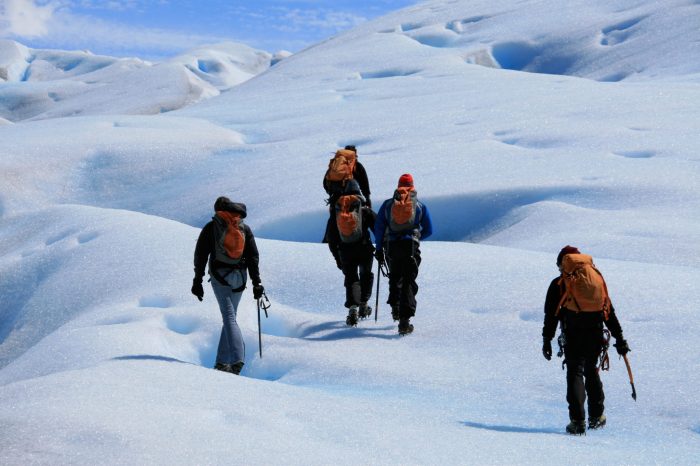
Embark on a journey to the icy realms with our comprehensive guide on Packing Tips for Polar Expeditions. From choosing the right clothing to essential gear, this article equips you for the ultimate cold weather adventure.
Packing Tips for Polar Expeditions
When embarking on a polar expedition, it is crucial to be prepared with the right clothing and gear to withstand extreme cold weather conditions.
Essential Clothing Items for Extreme Cold Weather
- Thermal base layers to trap heat close to the body
- Insulating mid-layers to provide warmth
- Waterproof and windproof outer shell to protect from elements
- Down jacket for added insulation
- Fleece-lined pants for extra warmth
Importance of Layering Clothing for Polar Environments
Layering clothing in polar environments helps regulate body temperature and manage moisture effectively. By wearing multiple layers, you can easily adjust to changing weather conditions and stay comfortable throughout the expedition.
Choosing the Right Footwear for Polar Expeditions
- Insulated and waterproof boots with good traction
- Ensure a proper fit to prevent frostbite and blisters
- Consider removable liners for easy drying
Necessity of High-Quality Gloves and Headwear in Extreme Cold
- Invest in insulated, waterproof gloves to protect hands from frostbite
- Choose a hat that covers the ears and neck to prevent heat loss
- Consider a balaclava or face mask for additional protection in harsh winds
Shopping Vacation
Exploring unique destinations around the world offers a fantastic opportunity to indulge in shopping for authentic souvenirs. Not only can you find one-of-a-kind items, but you can also immerse yourself in the local culture through the act of shopping.
Experience of Shopping in Unique Destinations
Shopping in unique destinations allows you to discover traditional crafts, local artwork, and handmade goods that reflect the culture and heritage of the region. Whether browsing through bustling markets or quaint boutiques, each purchase becomes a memorable keepsake of your travel experience.
Tips for Finding Authentic Souvenirs
- Support local artisans by purchasing handmade items directly from the source.
- Look for unique items that are specific to the region’s traditions and craftsmanship.
- Ask locals for recommendations on where to find authentic souvenirs off the beaten path.
- Avoid mass-produced goods and opt for items that have a story behind them.
Cultural Significance of Shopping in Different Countries
Shopping in different countries offers a glimpse into the local way of life, traditions, and values. It provides an opportunity to engage with the community, learn about their craftsmanship, and contribute to preserving cultural heritage through your purchases.
Recommendations for Budget-Friendly Shopping Vacation Destinations
- Explore markets in Marrakech, Morocco, known for vibrant textiles and intricate ceramics.
- Visit Chiang Mai, Thailand, for affordable handmade crafts and unique souvenirs.
- Discover the street markets of Istanbul, Turkey, for a wide range of traditional goods at reasonable prices.
- Shop for local artwork in Oaxaca, Mexico, known for its rich artistic heritage.
Arctic and Polar Expeditions
The Arctic and Antarctic expeditions offer unique experiences in polar regions, each with distinct characteristics and challenges. While both regions boast stunning icy landscapes and fascinating wildlife, there are key differences to consider when planning your adventure.
Arctic vs. Antarctic Expeditions
When it comes to Arctic expeditions, travelers can expect more accessible locations due to the presence of populated areas such as Greenland and the Canadian Arctic. In contrast, Antarctic expeditions often involve more remote and isolated locations, requiring longer travel times and specialized transportation.
Impact of Climate Change on Arctic Expeditions
Climate change has had a profound impact on Arctic expeditions, leading to changes in ice conditions, wildlife behavior, and overall ecosystem dynamics. Thinning ice layers and melting glaciers pose challenges for navigation and wildlife observation, highlighting the urgent need for sustainable travel practices in the region.
Wildlife Encounters on Arctic and Polar Expeditions
Arctic expeditions offer unique opportunities to encounter a diverse range of wildlife, including polar bears, walruses, and various bird species. In contrast, Antarctic expeditions provide the chance to witness penguins, seals, and whales in their natural habitats, creating unforgettable wildlife encounters for travelers.
Safety Tips for Traveling in Remote Arctic Regions
Traveling in remote Arctic regions requires careful planning and preparation to ensure a safe and enjoyable experience. Some key safety tips include staying informed about weather conditions, packing essential survival gear, and being aware of potential wildlife encounters. Additionally, travelers should always follow local regulations and guidelines to minimize risks and protect the fragile Arctic environment.
Music Festival Tour
Music festival tours are an exciting way to experience live music, connect with like-minded individuals, and immerse yourself in a unique cultural experience. Planning for a music festival tour involves choosing the right festivals to attend, considering accommodation options, and exploring the cultural offerings beyond just the music.
Planning Process for a Music Festival Tour
- Research various music festivals to determine which ones align with your music preferences and travel schedule.
- Consider the location, lineup, and overall vibe of the festival to ensure it matches your expectations.
- Book tickets and accommodation well in advance to secure the best deals and availability.
- Create a packing list that includes essentials like camping gear, comfortable clothing, and festival-specific items.
Choosing the Right Music Festivals to Attend
- Look for festivals that feature your favorite artists or genres to enhance your overall experience.
- Consider the festival’s reputation, reviews from past attendees, and the overall atmosphere to gauge if it aligns with your preferences.
- Explore smaller, niche festivals for a more intimate and unique experience compared to larger, mainstream events.
Cultural Experiences Beyond Music at Music Festivals
- Participate in workshops, art installations, and cultural activities offered at the festival to broaden your experience.
- Engage with local vendors, artisans, and food stalls to immerse yourself in the regional culture and cuisine.
- Interact with fellow attendees from diverse backgrounds to exchange stories, share experiences, and make new connections.
Camping or Accommodation Options During Music Festival Tours
- Consider camping on-site for a more immersive and convenient experience, allowing you to fully embrace the festival atmosphere.
- Explore nearby hotels, hostels, or rental accommodations for a more comfortable and private stay during the festival.
- Check for shuttle services, parking options, and transportation details to ensure seamless travel between your accommodation and the festival grounds.
Rainforest Exploration
Exploring the rainforest is a unique and exciting experience that allows you to immerse yourself in one of the most diverse ecosystems on the planet.
Importance of Rainforests in Global Ecosystems
Rainforests play a crucial role in maintaining the balance of our planet’s ecosystems. They are often referred to as the “lungs of the Earth” because they absorb carbon dioxide and produce oxygen through photosynthesis, helping to regulate the Earth’s climate.
- Rainforests are home to a vast array of plant and animal species, many of which are not found anywhere else on Earth.
- They also provide essential resources such as food, medicine, and raw materials for countless communities around the world.
- Furthermore, rainforests help to regulate the water cycle by absorbing and releasing water, which is vital for maintaining biodiversity and supporting life on Earth.
Tips for Staying Safe During Rainforest Explorations
When venturing into the rainforest, it is important to prioritize safety to ensure a successful and enjoyable experience.
- Always pack essentials such as insect repellent, a first aid kit, and sufficient water and snacks.
- Wear appropriate clothing and footwear to protect yourself from the elements and potential hazards.
- Stay on designated trails and follow the guidance of experienced guides to avoid getting lost or encountering dangerous wildlife.
Biodiversity in Different Rainforest Regions
Rainforests are incredibly diverse ecosystems, with unique flora and fauna found in various regions around the world.
- The Amazon Rainforest in South America is known for its rich biodiversity, including iconic species like jaguars, macaws, and anacondas.
- The Congo Rainforest in Africa is home to diverse primate species such as gorillas and chimpanzees, as well as a wide variety of bird species.
- The Southeast Asian Rainforest is renowned for its unique plant life, including orchids and carnivorous plants, as well as endangered species like the Sumatran tiger and orangutan.
Guided Tours vs. Solo Exploration in Rainforests
When planning a rainforest exploration, consider whether to join a guided tour or venture out on your own.
- Guided tours offer the expertise of experienced guides who can enhance your experience with their knowledge of the area and wildlife.
- Solo exploration allows for more flexibility and independence but requires thorough research, preparation, and caution to ensure safety.
- Ultimately, the choice between guided tours and solo exploration depends on your comfort level, experience, and preference for a structured or more adventurous journey.
Spiritual Pilgrimage
Spiritual pilgrimages hold immense significance in various cultures around the world. These journeys are often seen as an opportunity for individuals to connect with their faith, seek inner peace, and deepen their spiritual understanding.
Preparing Mentally and Emotionally
- Set clear intentions for your pilgrimage to guide your focus and mindset throughout the journey.
- Practice meditation and reflection to cultivate a sense of inner calm and readiness for the spiritual experience.
- Engage in prayer or rituals that are meaningful to you to strengthen your spiritual connection.
- Seek guidance from spiritual leaders or mentors to gain insights and support for your pilgrimage.
Rituals and Practices
- Walking a specific path or route with symbolic meaning, such as the Camino de Santiago in Spain.
- Participating in ceremonies or rituals at sacred sites to honor spiritual traditions and beliefs.
- Fasting or abstaining from certain activities as a form of purification and spiritual discipline.
- Offering prayers, gratitude, or intentions at significant landmarks or shrines along the pilgrimage route.
Transformative Aspects
- Enhanced sense of self-awareness and spiritual growth through introspection and reflection.
- Deepened connection to one’s faith and spiritual beliefs, leading to a renewed sense of purpose and meaning.
- Opportunity for healing and emotional release as individuals confront and address inner struggles or challenges.
- Connection to a larger spiritual community or tradition, fostering a sense of belonging and unity.
Geotourism Adventure
Geotourism involves exploring the geological features of a region while promoting sustainable travel practices. It focuses on educating travelers about the Earth’s natural wonders and cultural heritage, aiming to preserve and protect these sites for future generations.
Geotourism Destinations
- Yellowstone National Park, USA: Known for its geysers, hot springs, and diverse wildlife.
- Jeju Island, South Korea: Features volcanic landscapes, lava tubes, and beautiful beaches.
- Galapagos Islands, Ecuador: Offers unique geological formations and endemic species.
- Victoria Falls, Zambia/Zimbabwe: Showcases the impressive waterfall and surrounding geological features.
Geological Wonders for Exploration
- The Grand Canyon, USA: A vast canyon carved by the Colorado River, showcasing millions of years of geological history.
- The Giant’s Causeway, Northern Ireland: Famous for its hexagonal basalt columns formed by volcanic activity.
- The Great Barrier Reef, Australia: The world’s largest coral reef system, formed by millions of years of coral growth.
Minimizing Environmental Impact
- Choose eco-friendly accommodations and tour operators that prioritize sustainability.
- Follow designated trails and respect wildlife habitats to minimize disturbance.
- Reduce waste by using reusable water bottles and bags, and properly disposing of trash.
- Support local communities by purchasing souvenirs and goods that are locally made.
Birdwatching Vacation
Birdwatching vacations offer a unique opportunity to connect with nature and observe a variety of bird species in their natural habitats. Whether you are a beginner or a seasoned birdwatcher, proper equipment, identification skills, and knowledge of the best destinations are essential for a successful birdwatching experience.
Essential Equipment for Birdwatching
- Binoculars: Invest in a good pair of binoculars with high magnification and a wide field of view for clear bird sightings.
- Field Guide: Carry a bird field guide specific to the region you are visiting to help identify different bird species.
- Camera: Capture memorable moments and bird sightings with a digital camera or smartphone for future reference.
- Notebook and Pen: Take notes on bird behaviors, habitats, and distinctive features to aid in identification.
- Appropriate Clothing: Dress in layers and wear comfortable, muted-colored clothing to blend in with the surroundings.
- Hat and Sunglasses: Protect yourself from the sun and glare while spending hours outdoors observing birds.
- Field Bag: Carry all your essentials in a lightweight, waterproof field bag for easy access during birdwatching excursions.
Tips for Identifying Bird Species
- Listen to Bird Calls: Familiarize yourself with common bird calls to help identify species even when they are not in sight.
- Observe Behavior: Pay attention to bird behavior, such as feeding habits, flight patterns, and interactions with other birds.
- Study Field Marks: Note the distinctive features of birds, including color patterns, size, shape, and markings for accurate identification.
- Use Binoculars: Get a closer look at birds through binoculars to notice details that may not be visible to the naked eye.
- Consult Field Guides: Refer to field guides with illustrations and descriptions to match characteristics of birds you encounter.
Best Birdwatching Destinations
- Costa Rica: Explore diverse habitats in Costa Rica, home to over 800 bird species, including toucans, quetzals, and hummingbirds.
- Galapagos Islands: Witness unique bird species like blue-footed boobies, frigatebirds, and albatrosses in the Galapagos Islands.
- Kenya: Experience exceptional birdwatching in Kenya’s national parks and reserves, spotting flamingos, eagles, and ostriches.
- Peru: Discover the rich birdlife of the Amazon rainforest and Andes mountains in Peru, with species like macaws, toucans, and hummingbirds.
- Australia: Birdwatch in Australia for a chance to see colorful parrots, emus, cockatoos, and a variety of seabirds along the coast.
Best Seasons for Birdwatching
- Spring: Migration season in spring offers opportunities to see a wide variety of bird species returning to their breeding grounds.
- Summer: Breeding season in summer allows for observing courtship displays and nesting behaviors of birds.
- Fall: Fall migration brings diverse bird species passing through different regions on their way to wintering grounds.
- Winter: Winter is ideal for spotting wintering birds in warmer climates and observing unique behaviors adapted to the season.
Remote Island Retreat
The allure of remote island retreats for travelers lies in the promise of seclusion, tranquility, and the opportunity to disconnect from the hustle and bustle of everyday life. These hidden gems offer a chance to immerse oneself in nature, unwind, and rejuvenate away from the distractions of modern society.
Planning a Secluded Island Vacation
When planning a secluded island vacation, it is essential to research the location thoroughly to understand the amenities available, transportation options, weather conditions, and any necessary permits or requirements. Here are some tips to consider:
- Choose an island that aligns with your interests, whether it’s pristine beaches, lush tropical forests, or rugged coastlines.
- Make sure to pack essentials such as sunscreen, insect repellent, and any medications you may need, as access to stores or pharmacies may be limited.
- Book accommodations well in advance to secure your spot, especially if the island has limited lodging options.
- Prepare for limited connectivity by informing loved ones of your whereabouts and ensuring you have offline maps or guides.
Challenges and Rewards of Staying on a Remote Island
Staying on a remote island comes with its challenges, such as limited access to amenities, potential isolation, and unpredictable weather conditions. However, the rewards are plentiful, including breathtaking natural beauty, unique wildlife encounters, and the chance to truly unwind and recharge away from the stresses of daily life.
Off-the-Grid Activities on a Remote Island Retreat
Engaging in off-the-grid activities on a remote island retreat can enhance your experience and connection with nature. Here are some recommendations:
- Snorkeling or diving in crystal-clear waters to explore vibrant coral reefs and marine life.
- Hiking through lush forests or along rugged coastlines to discover hidden coves and panoramic viewpoints.
- Stargazing under the unpolluted night sky to witness the beauty of constellations and shooting stars.
- Participating in local cultural experiences, such as traditional ceremonies, cooking classes, or handicraft workshops.
Volunteer Vacation
Volunteer vacations offer a unique opportunity for travelers to make a positive impact on local communities while exploring new destinations. By combining travel with volunteer work, participants can contribute to meaningful projects and immerse themselves in the culture of the host country.
Concept of Volunteer Vacations and Impact
Volunteer vacations involve travelers dedicating their time and skills to projects that benefit communities in need. These projects can range from environmental conservation and education initiatives to healthcare and infrastructure development. The impact of volunteer vacations is significant, as they help address local challenges and empower communities to thrive in the long run.
Finding Reputable Volunteer Vacation Organizations
- Research and read reviews from past volunteers to ensure the organization has a positive reputation.
- Verify the organization’s credentials, such as certifications and partnerships with local NGOs or government bodies.
- Avoid organizations that charge exorbitant fees or lack transparency in their operations.
- Seek recommendations from friends or online travel communities for trustworthy volunteer vacation providers.
Benefits of Combining Travel with Volunteer Work
- Gain a deeper understanding of local cultures and traditions through direct involvement in community projects.
- Develop new skills and broaden your perspective by working alongside locals and other volunteers from around the world.
- Create lasting connections and friendships with like-minded individuals who share a passion for making a difference.
- Experience personal growth and fulfillment by contributing to meaningful causes and seeing the tangible impact of your efforts.
Choosing the Right Volunteer Vacation Project
- Consider your interests and skills to find a project that aligns with your passions and strengths.
- Research the project’s goals and objectives to ensure they resonate with your values and contribute to sustainable development.
- Evaluate the location, duration, and level of involvement required to determine if the project is a good fit for your preferences and availability.
- Communicate with the organization or project coordinator to clarify expectations, logistics, and support provided during your volunteer experience.
Farm Stay Vacation
Embarking on a farm stay vacation provides a unique opportunity to immerse yourself in rural life, experience hands-on farm activities, and connect with nature in a tranquil setting.
Unique Experiences
- Participating in daily farm chores such as feeding animals, milking cows, or harvesting crops.
- Learning about sustainable farming practices and the importance of organic food production.
- Engaging with local farmers and gaining insights into their way of life and traditions.
- Enjoying farm-fresh meals made from locally sourced ingredients.
Tips for Participating in Farm Activities
- Dress appropriately in comfortable clothing and sturdy shoes for outdoor work.
- Follow instructions from the farmers and ask questions to learn more about each task.
- Be respectful of the animals and the environment while engaging in farm activities.
- Take breaks when needed and stay hydrated to ensure a pleasant and enjoyable experience.
Benefits of Farm Stays for Sustainable Travel
- Supporting local farmers and rural communities by contributing to their livelihoods.
- Promoting eco-friendly practices through organic farming and minimal environmental impact.
- Reducing carbon footprint by staying in a natural setting and supporting local food production.
- Creating awareness about the importance of sustainable agriculture and conservation efforts.
Farm Stay Accommodations and Amenities
- Accommodations ranging from cozy farm cottages to rustic barn conversions for a unique stay.
- Amenities such as farm-to-table meals, guided farm tours, and outdoor recreational activities.
- Opportunities for workshops on cheese making, bread baking, or other farm-related skills.
- Scenic views of rolling hills, lush fields, and serene landscapes for a peaceful retreat.
Educational Vacation
Taking an educational vacation can be a fantastic way to combine travel with enriching experiences. It offers the opportunity to learn about new cultures, history, wildlife, and environments while exploring different parts of the world.
Benefits of Educational Vacations
- Expand knowledge in specific areas of interest
- Immerse in local traditions and customs
- Gain a deeper understanding of global issues
- Create lasting memories through hands-on learning
Planning Tips for Educational Vacations
- Research destinations that align with your interests
- Check for educational programs or tours available
- Create a flexible itinerary to accommodate learning opportunities
- Pack educational materials such as guidebooks, maps, or language resources
Types of Educational Vacations
- Cultural Immersion Trips
- Language Learning Programs
- Ecotourism Adventures
- Historical Tours
Recommended Educational Vacation Destinations
- Italy for art, history, and culinary experiences
- Costa Rica for biodiversity and sustainable living practices
- Japan for traditional arts, technology, and cultural heritage
- South Africa for wildlife conservation and multiculturalism
Hiking and Trekking
Hiking and trekking are popular outdoor activities that offer a great way to explore nature, challenge yourself physically, and enjoy breathtaking scenery. While both involve walking in natural environments, there are some key differences between the two experiences.
Comparison of Hiking and Trekking
- Hiking is usually a shorter and less strenuous activity, often done on well-marked trails or paths. It can be a day trip or a weekend getaway.
- Trekking, on the other hand, involves multi-day expeditions, covering longer distances and more challenging terrain. It may require camping overnight and carrying heavier packs.
- Both activities provide opportunities to connect with nature, improve physical fitness, and de-stress from daily life.
Essential Gear for Hiking and Trekking
- Proper hiking boots or shoes with good ankle support and traction are essential to prevent injuries on uneven terrain.
- A comfortable backpack to carry essentials like water, snacks, a first aid kit, navigation tools, and extra clothing layers.
- Appropriate clothing for the weather conditions, including moisture-wicking layers, a waterproof jacket, and insulated clothing for colder climates.
- Trekking poles can help reduce strain on your joints and provide stability on challenging trails.
Benefits of Hiking and Trekking
- Physical benefits include improved cardiovascular health, muscle strength, and endurance. Hiking and trekking are great ways to stay active and maintain a healthy lifestyle.
- Mental benefits include reduced stress, improved mood, and enhanced mental clarity. Spending time in nature can have a calming effect on the mind.
- Both activities offer a sense of accomplishment and the opportunity to disconnect from technology and reconnect with the natural world.
Choosing the Right Trails
- Consider your fitness level and experience when selecting a trail. Beginners should start with easy, well-marked paths before progressing to more challenging terrain.
- Research the trail difficulty, distance, elevation gain, and weather conditions to ensure it aligns with your skill level and interests.
- Choose trails that offer the scenery or wildlife you want to see, whether it’s mountain views, waterfalls, or forests. Tailor your hike or trek to your preferences.
Camping
Camping is a great way to connect with nature and enjoy the great outdoors. Whether you’re pitching a tent in the mountains, by a lake, or in a forest, there are essential gear and equipment you’ll need to ensure a comfortable and safe camping experience.
Essential Camping Gear and Equipment
- Tent: Choose a size that fits the number of people in your group.
- Sleeping bag and sleeping pad: Make sure they provide enough warmth and comfort for the weather conditions.
- Camp stove and cooking gear: Portable stoves and cookware are essential for preparing meals outdoors.
- Headlamp or flashlight: Essential for navigating in the dark.
- First aid kit: Be prepared for minor injuries and emergencies.
Benefits of Camping in Various Natural Settings
- Mountain camping: Enjoy breathtaking views and challenging hikes.
- Lakeside camping: Relax by the water, go fishing, or paddle in a kayak.
- Forest camping: Immerse yourself in nature, spot wildlife, and enjoy the peace and quiet.
Tips for Setting Up a Campsite and Staying Safe
- Choose a flat and dry spot for your tent.
- Keep food stored in bear-proof containers or hung in a tree away from your campsite.
- Follow Leave No Trace principles and pack out all trash.
- Be prepared for changing weather conditions and have layers of clothing.
Recommended Camping Destinations with Stunning Natural Landscapes
- Yellowstone National Park, USA: Explore geysers, hot springs, and wildlife.
- Banff National Park, Canada: Hike in the Rocky Mountains and admire turquoise lakes.
- Patagonia, Chile/Argentina: Camp in the wild beauty of the Southern Andes.
Cycling and Mountain Biking
Cycling and mountain biking are exhilarating outdoor activities that offer unique experiences for adventure seekers. While both involve riding a bike, there are distinct differences between the two in terms of terrain, equipment, and skill level required.
Differences between Cycling and Mountain Biking Adventures
- Cycling typically takes place on paved roads, bike paths, or urban environments, offering a more leisurely and scenic ride.
- Mountain biking, on the other hand, involves off-road trails, rugged terrain, and obstacles like rocks, roots, and steep inclines, providing a more challenging and adrenaline-pumping experience.
- Cycling is suitable for all skill levels and ages, while mountain biking requires a higher level of fitness, technical skills, and experience to navigate rough terrains.
Tips on Choosing the Right Bike for Cycling and Mountain Biking Trips
- For cycling, a road bike or hybrid bike with thinner tires and a lighter frame is ideal for speed and efficiency on paved surfaces.
- For mountain biking, a mountain bike with wider, knobby tires, front suspension, and durable frame is essential to handle rough trails and absorb shocks.
- Consider factors like bike size, frame material, suspension type, and gear ratios when selecting a bike that suits your riding style and preferences.
Health and Fitness Benefits of Cycling and Mountain Biking
- Cycling and mountain biking are excellent cardiovascular exercises that help improve heart health, endurance, and overall fitness levels.
- These activities strengthen leg muscles, core stability, and balance while burning calories and reducing stress levels.
- Regular cycling and mountain biking can boost mental well-being, increase energy levels, and enhance mood through outdoor exposure and physical exertion.
Exploring Scenic Routes and Trails for Cycling and Mountain Biking
- Research and plan your cycling or mountain biking route in advance, considering factors like distance, difficulty level, elevation changes, and scenic views.
- Explore local bike trails, national parks, forest preserves, or mountain ranges to discover diverse landscapes and natural wonders while enjoying your ride.
- Join cycling or mountain biking clubs, guided tours, or group rides to connect with like-minded enthusiasts, share experiences, and discover new routes together.
Fishing and Angling
Fishing and angling are popular recreational activities enjoyed by people all around the world. Whether it’s casting a line in a serene lake or battling a big catch in the open sea, fishing offers a unique connection to nature and a sense of relaxation and adventure.When it comes to choosing the right fishing gear for different types of fishing trips, it’s essential to consider factors such as the type of fish you’re targeting, the location of your fishing spot, and the fishing technique you’ll be using.
From rods and reels to bait and lures, having the right equipment can make a significant difference in your fishing experience.Sustainable fishing practices and conservation efforts play a crucial role in preserving marine ecosystems and ensuring the longevity of fish populations. It’s important for anglers to follow fishing regulations, practice catch and release when appropriate, and support initiatives that promote responsible fishing habits.The therapeutic benefits of fishing and angling in natural settings are well-documented.
Spending time by the water, breathing in fresh air, and focusing on the rhythmic motion of casting and reeling can have a calming effect on the mind and body. Whether you’re fishing solo or with friends and family, the act of fishing can provide a sense of peace and mindfulness amidst the beauty of the outdoors.
Choosing the Right Fishing Gear
- Consider the type of fish you’ll be targeting and the appropriate rod and reel combination for that species.
- Match your fishing line weight to the size of the fish you expect to catch.
- Select the right bait and lures based on the feeding habits of the fish in the area.
- Pack essential accessories like pliers, line cutters, and a tackle box to keep your gear organized.
Sustainable Fishing Practices
- Follow fishing regulations and size limits to help maintain fish populations.
- Practice catch and release for species that are at risk or not intended for consumption.
- Avoid using lead sinkers and opt for eco-friendly alternatives to reduce environmental impact.
- Support organizations and initiatives dedicated to marine conservation and sustainable fishing practices.
Therapeutic Benefits of Fishing
- Enjoy the calming effect of being near water and surrounded by nature.
- Experience a sense of mindfulness and relaxation while focusing on the task at hand.
- Connect with friends and family in a tranquil outdoor setting away from the hustle and bustle of daily life.
- Benefit from the physical activity of casting and reeling, promoting overall well-being and stress relief.
- Kayaking typically involves sitting inside a closed cockpit with a double-bladed paddle, offering a more secure and streamlined experience suitable for tackling rough waters.
- Canoeing, on the other hand, involves sitting or kneeling in an open boat with a single-bladed paddle, providing a more leisurely and versatile experience for navigating calm waters.
- Both kayaking and canoeing allow travelers to immerse themselves in nature, observe wildlife, and access remote areas that are often inaccessible by land.
- Always wear a personal flotation device (PFD) and ensure it fits properly for kayaking and canoeing activities.
- Practice proper paddling techniques, such as using your core muscles, rotating your torso, and maintaining a relaxed grip on the paddle to avoid strain or injury.
- Be aware of weather conditions, water currents, and potential hazards in the environment to ensure a safe and enjoyable paddling experience.
- Enhanced physical fitness and cardiovascular health from paddling and navigating water bodies.
- Opportunities for solitude, relaxation, and mindfulness while surrounded by the beauty of nature.
- Improved mental well-being and reduced stress levels through the calming effects of being on the water.
- Boundary Waters Canoe Area Wilderness in Minnesota, USA, offers a serene setting for both kayaking and canoeing with calm waters and picturesque landscapes.
- Sea of Cortez in Baja California, Mexico, provides an ideal location for beginners to explore diverse marine life and crystal-clear waters through kayaking tours.
- Algonquin Provincial Park in Ontario, Canada, features numerous lakes and rivers perfect for novice paddlers looking to experience the beauty of the wilderness.
- Rock Climbing Shoes: Provide grip and support on the rock surface.
- Chalk Bag: Helps keep your hands dry for better grip.
- Harness: Essential for attaching yourself to the rope for safety.
- Rope: Used for belaying and securing climbers.
- Carabiners and Quickdraws: Connect ropes and provide protection.
- Helmet: Protects your head from falling rocks or debris.
- Always double-check your gear before climbing.
- Practice proper belaying techniques and communication with your climbing partner.
- Learn how to tie essential knots like the figure-eight and clove hitch.
- Start with easier routes and gradually progress to more challenging climbs.
- Stay focused and mindful of your movements while climbing.
- Rock climbing requires problem-solving skills and mental resilience to overcome obstacles.
- Bouldering challenges your strength, flexibility, and balance in a short, intense climb.
- Both activities test your endurance, concentration, and ability to manage fear.
- Yosemite National Park, USA: Famous for its granite cliffs and challenging routes.
- Fontainebleau, France: A mecca for bouldering with unique sandstone formations.
- Kalymnos, Greece: Known for its limestone cliffs and stunning sea views.
- Joshua Tree National Park, USA: Offers diverse climbing opportunities in a desert landscape.
- El Chorro, Spain: Ideal for sport climbing with a picturesque backdrop.
- Avoid disturbing or approaching animals too closely, maintain a safe distance to observe them without causing stress.
- Respect wildlife habitats by staying on designated trails and not leaving any litter behind.
- Do not feed wild animals as it can disrupt their natural behavior and diet.
- Refrain from using flash photography or making loud noises that could frighten the animals.
- Conservation efforts help protect vulnerable species from extinction and maintain the balance of ecosystems.
- By supporting conservation initiatives, we can contribute to the preservation of biodiversity and the protection of natural habitats.
- Responsible wildlife watching promotes awareness about the importance of conservation and sustainability.
- Learn about the characteristics and behaviors of different wildlife species to identify them accurately in their natural habitats.
- Carry a field guide or use wildlife identification apps to assist in recognizing various species during your observations.
- Take note of key features such as color patterns, size, and unique markings to distinguish between different animals.
- Join wildlife watching tours led by expert guides who have knowledge of local fauna and can enhance your experience with valuable insights.
- Expert guides can help you spot elusive species, interpret animal behavior, and provide educational information about the wildlife you encounter.
- By participating in guided tours, you can support local conservation efforts and contribute to the sustainability of wildlife tourism.
- Invest in a good pair of trail running shoes with sturdy soles and ample grip to provide traction on various terrains.
- Choose moisture-wicking and breathable clothing to stay comfortable and dry during your run.
- Consider wearing a hydration pack or belt to stay hydrated on longer runs, especially in remote areas.
- Don’t forget to pack essentials like a lightweight jacket, hat, sunglasses, and sunscreen for protection against the elements.
- Start with beginner-friendly trails with well-marked paths and minimal elevation gain to build your confidence and endurance.
- Gradually progress to more challenging routes with varied terrain, such as rocky paths, steep inclines, and technical descents, to improve your skills and fitness level.
- Research trail running websites and apps to find routes that match your preferences and fitness goals, taking into account factors like distance, elevation, and scenery.
- Join local trail running groups or clubs to discover new routes and connect with like-minded runners for added motivation and support.
- Improve cardiovascular fitness, strength, and endurance by navigating challenging terrain and uneven surfaces that engage different muscle groups.
- Enhance mental clarity and reduce stress by immersing yourself in nature and enjoying the calming effects of the outdoors.
- Boost agility, balance, and coordination through the dynamic movements required to navigate obstacles like roots, rocks, and branches along the trail.
- Experience a sense of adventure and exploration as you discover new trails, landscapes, and natural wonders that inspire and invigorate your spirit.
- Always wear appropriate safety gear, such as helmets, harnesses, and life jackets.
- Check the weather conditions before starting any activity and be prepared for unexpected changes.
- Receive proper training and instructions from certified professionals before attempting any sport.
- Listen to your body and know your limits to avoid overexertion or injury.
- Always follow the rules and guidelines set for each sport to minimize risks.
- Queenstown, New Zealand: Known as the adventure capital of the world, offering bungee jumping, skydiving, and jet boating.
- Interlaken, Switzerland: A hub for outdoor activities like paragliding, canyoning, and skiing in the Swiss Alps.
- Moab, Utah, USA: Famous for rock climbing, mountain biking, and white-water rafting in the stunning red rock landscapes.
- Chamonix, France: Home to challenging mountain climbing, skiing, and snowboarding in the French Alps.
Kayaking and Canoeing
Kayaking and canoeing are both popular water activities that offer unique experiences for adventurers seeking to explore rivers, lakes, and oceans. While they share similarities, such as being paddle-powered watercraft, there are distinct differences between the two.
Comparison of Kayaking and Canoeing Experiences
Tips for Paddling Techniques and Safety Measures
Benefits of Exploring Waterways Through Kayaking and Canoeing
Recommendations for Beginner-Friendly Destinations
Rock Climbing and Bouldering
Rock climbing and bouldering are thrilling outdoor activities that require specific equipment, techniques, and safety practices to enjoy them safely. Whether you are a beginner or an experienced climber, being well-prepared is crucial to have a successful and enjoyable climbing experience.
Equipment Needed for Rock Climbing and Bouldering Adventures
Rock Climbing Techniques and Safety Practices
Mental and Physical Challenges of Rock Climbing and Bouldering
Popular Rock Climbing and Bouldering Destinations Worldwide
Wildlife Watching and Birding
When embarking on wildlife watching and birding activities, it is essential to follow ethical practices to ensure the well-being of the animals and their habitats. Conservation efforts play a crucial role in preserving biodiversity and protecting these species for future generations.
Ethical Wildlife Watching Practices
Importance of Conservation
Identifying Wildlife Species
Expert-Guided Wildlife Watching Tours
Trail Running
Trail running has become increasingly popular as a fitness and adventure sport, offering enthusiasts the opportunity to challenge themselves in natural environments while enjoying the beauty of the great outdoors.
Choosing the Right Footwear and Gear
When it comes to trail running, selecting the right footwear and gear is crucial for a successful and enjoyable experience. Here are some tips to consider:
Selecting Trail Running Routes
When planning your trail running routes, it’s essential to consider the difficulty level and terrain to ensure a safe and enjoyable experience. Here are some insights to help you choose the right routes:
Benefits of Trail Running
Trail running offers a wide range of mental and physical benefits that go beyond traditional road running. Here are some reasons why hitting the trails can be good for your overall well-being:
Adventure Sports
Adventure sports offer a thrilling and adrenaline-pumping experience for enthusiasts who seek excitement and challenges in their activities. Whether it’s rock climbing, skydiving, or white-water rafting, these sports push individuals to their limits and provide a unique sense of accomplishment.
Extreme Sports Safety Tips
When engaging in adventure sports, it is crucial to prioritize safety above all else. Here are some tips to ensure a safe and enjoyable experience:
Mental and Physical Challenges
Engaging in extreme sports not only tests your physical abilities but also challenges you mentally. Overcoming fears, pushing boundaries, and staying focused are essential aspects of participating in adventure sports.
Popular Adventure Sports Destinations
For thrill-seekers looking to embark on adrenaline-pumping adventures, there are several destinations around the world known for offering top-notch experiences in various adventure sports:
Final Review
Prepare for your polar exploration armed with the knowledge and tips shared in this guide. Stay warm, stay safe, and make the most of your unforgettable journey through the frozen landscapes.
Essential FAQs
What kind of footwear is best for polar expeditions?
Insulated and waterproof boots with good traction are ideal for navigating icy terrains.
How important is layering clothing in polar environments?
Layering helps regulate body temperature and provides flexibility for changing weather conditions.
What wildlife encounters can one expect on polar expeditions?
Polar bears, seals, whales, and various bird species are common sights in these regions.
Why are high-quality gloves and headwear essential for extreme cold?
Protecting your extremities and head is crucial to avoid frostbite and maintain warmth.


