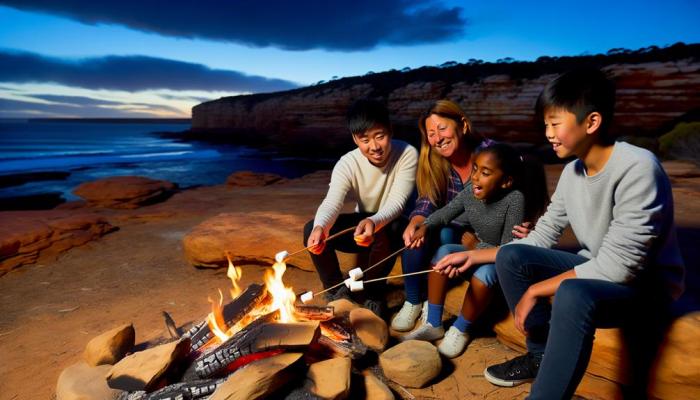
Family-Friendly Camping Sites sets the stage for this enthralling narrative, offering readers a glimpse into a story that is rich in detail and brimming with originality from the outset. Whether you’re a seasoned camper or new to the outdoor scene, this guide will provide valuable insights for your next family adventure under the stars.
From the benefits of choosing family-friendly camping sites to essential amenities and expert tips on selecting the perfect spot, this guide covers all you need to know for a memorable outdoor experience with your loved ones.
Family-Friendly Camping Sites
Family-friendly camping sites are specifically designed to cater to the needs of families looking to enjoy outdoor adventures together. These sites offer a range of amenities and features to ensure a comfortable and enjoyable experience for campers of all ages.
Benefits of Choosing Family-Friendly Camping Sites
Family-friendly camping sites provide a safe and welcoming environment for families to bond and create lasting memories in nature. Here are some benefits of choosing these sites for vacations:
- Activities for all ages, ensuring everyone has something fun to do
- Clean and well-maintained facilities for convenience and comfort
- Opportunities for educational experiences in nature
- Peaceful and serene surroundings for relaxation and rejuvenation
Essential Amenities and Features
Family-friendly camping sites offer a variety of amenities and features to enhance the camping experience for families. Some essential features include:
- Family-sized campsites with enough space for tents and RVs
- Playgrounds and recreational areas for kids to enjoy
- Clean restrooms and showers for comfort and hygiene
- Picnic areas and fire pits for family gatherings and cooking
Tips for Selecting the Best Family-Friendly Camping Site
When choosing a family-friendly camping site for your vacation, consider the following tips to ensure a memorable and enjoyable experience:
- Research the amenities and activities offered at the campsite
- Read reviews from other families to gauge the overall experience
- Check the location and accessibility of the site for convenience
- Make reservations in advance to secure your spot during peak seasons
Shopping Vacation
Are you a shopaholic looking to combine your love for shopping with a relaxing vacation? A shopping vacation might be the perfect getaway for you! This type of vacation allows travelers to explore new destinations while indulging in retail therapy at popular shopping spots.
Popular Destinations for a Shopping Vacation
When it comes to shopping vacations, there are several destinations around the world that are known for their diverse shopping experiences. Some popular destinations include:
- New York City, USA: Known for its iconic department stores and designer boutiques.
- Tokyo, Japan: Home to vibrant shopping districts like Shibuya and Harajuku.
- Paris, France: Famous for its high-end fashion houses and chic boutiques.
- Dubai, UAE: A shopper’s paradise with luxury malls and traditional souks.
Benefits of a Shopping Vacation
- Unique Shopping Experience: Explore different cultures through their local markets and shopping streets.
- Rewarding Souvenirs: Purchase unique souvenirs and gifts that you can’t find back home.
- Relaxing Getaway: Enjoy the thrill of shopping while also unwinding and taking a break from your daily routine.
- Cultural Immersion: Immerse yourself in the local lifestyle and traditions while exploring shopping destinations.
Tips for Planning a Successful Shopping Vacation
- Research Shopping Spots: Look up popular shopping areas in your destination and create a shopping itinerary.
- Set a Budget: Determine how much you are willing to spend on shopping to avoid overspending.
- Pack Light: Leave room in your luggage for new purchases and avoid excess baggage fees.
- Shop Local: Support small businesses and artisans by shopping at local markets and shops.
- Stay Flexible: Allow for some unplanned shopping time and be open to discovering new stores and hidden gems.
Arctic and Polar Expeditions
Arctic and Polar expeditions are thrilling adventures that take you to some of the most remote and extreme environments on Earth. These expeditions typically involve exploring the icy landscapes of the Arctic and Antarctic regions, often by ship, kayak, or on foot.
Unique Experiences
- Witnessing the breathtaking beauty of glaciers, icebergs, and wildlife such as polar bears, penguins, and seals in their natural habitats.
- Experiencing the surreal phenomenon of the midnight sun or polar night, where the sun doesn’t set for months at a time.
- Learning about the history of polar exploration and the indigenous cultures that call these regions home.
Challenges and Rewards
- Challenges: Extreme cold temperatures, unpredictable weather conditions, and the need to be prepared for emergencies in remote areas.
- Rewards: The sense of accomplishment from exploring some of the most pristine and untouched landscapes on the planet, as well as the opportunity to see rare wildlife up close.
Safety Tips
- Always travel with experienced guides who are familiar with the region and its wildlife.
- Dress in layers and bring appropriate gear to stay warm and dry in cold conditions.
- Stay hydrated and well-fed to maintain energy levels in the harsh environment.
- Follow all safety protocols and guidelines set by expedition leaders to ensure a safe and enjoyable experience.
Music Festival Tour
Music festival tours offer a unique and exciting experience for travelers looking to immerse themselves in music, culture, and community all in one. The appeal lies in the opportunity to see multiple artists and bands perform live, discover new music genres, and connect with like-minded individuals who share a passion for music.
Popular Music Festival Tour Destinations
- Coachella Valley Music and Arts Festival in California, USA
- Glastonbury Festival in Somerset, England
- Tomorrowland in Boom, Belgium
- Rock in Rio in Rio de Janeiro, Brazil
- Ultra Music Festival in Miami, USA
Cultural Significance of Music Festival Tours
Music festival tours serve as a platform for artists to showcase their talents, celebrate diversity through music, and create a sense of community among attendees. These events often incorporate art installations, workshops, and other cultural activities that enrich the overall experience.
Tips for Maximizing the Experience of a Music Festival Tour
- Plan your itinerary in advance to catch your favorite artists’ performances.
- Stay hydrated and take breaks to avoid exhaustion during long festival days.
- Immerse yourself in the festival culture by exploring different stages and activities.
- Connect with other festival-goers to share experiences and make new friends.
- Respect the environment and follow the festival’s rules to ensure a safe and enjoyable experience for everyone.
Rainforest Exploration
Rainforest exploration offers adventurers a chance to immerse themselves in some of the most biodiverse and visually stunning ecosystems on the planet. The allure of discovering unique flora and fauna, experiencing the vibrant sounds and colors of the rainforest, and witnessing the interconnectedness of life in these lush environments is a powerful draw for many nature enthusiasts.
Notable Rainforest Exploration Destinations
Some notable rainforest exploration destinations include:
- Amazon Rainforest in South America
- Daintree Rainforest in Australia
- Congo Rainforest in Africa
- Taman Negara National Park in Malaysia
Importance of Conservation During Rainforest Exploration
Conservation is crucial during rainforest exploration to protect these fragile ecosystems from deforestation, habitat destruction, and climate change. By practicing responsible tourism, supporting local conservation efforts, and raising awareness about the importance of preserving rainforests, explorers can help ensure these vital habitats thrive for future generations.
Safety Tips for Exploring Rainforests
When exploring rainforests, it is important to:
- Stay on designated trails to minimize impact on the environment and avoid getting lost.
- Wear appropriate clothing and footwear to protect against insects, plants, and harsh weather conditions.
- Carry sufficient water, food, and emergency supplies in case of unexpected situations.
- Be mindful of wildlife and avoid disturbing or approaching animals in their natural habitat.
- Inform others of your itinerary and expected return time before embarking on a rainforest adventure.
Spiritual Pilgrimage
A spiritual pilgrimage is a journey undertaken to a sacred place or shrine for religious or spiritual reasons. It is a time of reflection, devotion, and seeking a deeper connection with one’s faith.
Famous Spiritual Pilgrimage Sites
- Mecca, Saudi Arabia – The holiest city in Islam, where Muslims from around the world gather for the annual Hajj pilgrimage.
- Varanasi, India – A sacred city for Hindus, believed to be the oldest continuously inhabited city in the world.
- Jerusalem, Israel – A significant site for Christians, Jews, and Muslims, housing important religious landmarks like the Western Wall, Church of the Holy Sepulchre, and Al-Aqsa Mosque.
- Lourdes, France – Known for the Marian apparitions to Bernadette Soubirous in 1858, attracting millions of Catholic pilgrims seeking healing and spiritual renewal.
Personal Growth and Introspection
Spiritual pilgrimages offer individuals the opportunity for personal growth, self-reflection, and introspection. It allows pilgrims to disconnect from their daily lives, focus on their faith, and deepen their spiritual connection.
Planning a Meaningful Spiritual Pilgrimage
- Research the significance of the pilgrimage site in your faith tradition.
- Prepare mentally and spiritually for the journey, setting intentions and goals for what you hope to achieve.
- Consider the practical aspects of the pilgrimage, such as transportation, accommodation, and necessary permits or visas.
- Engage with the local community and fellow pilgrims to share experiences and insights.
- Take time for reflection and meditation at the sacred sites, allowing space for personal revelations and spiritual growth.
Geotourism Adventure
Geotourism focuses on promoting sustainable tourism that highlights the natural and cultural heritage of a destination, emphasizing the preservation of the environment and local traditions.
Examples of Geotourism Adventures
Travelers can embark on geotourism adventures such as:
- Exploring geological wonders like caves, canyons, or rock formations
- Visiting UNESCO World Heritage Sites to learn about the history and culture of a region
- Participating in community-based tourism initiatives to support local economies
Educational and Environmental Benefits
Geotourism offers both educational and environmental benefits, including:
- Increasing awareness about the importance of conservation and sustainable practices
- Promoting cultural exchange and understanding between travelers and local communities
- Supporting the preservation of natural habitats and wildlife through responsible tourism
Tips for Responsible Geotourism Practices
When engaging in geotourism adventures, consider the following tips:
- Respect local customs, traditions, and natural surroundings
- Minimize your environmental impact by reducing waste and conserving resources
- Support local businesses and communities by purchasing locally-made products and services
- Follow designated trails and guidelines to protect fragile ecosystems
Birdwatching Vacation
Birdwatching vacations offer nature enthusiasts a unique opportunity to observe a wide variety of bird species in their natural habitats. This activity allows individuals to connect with nature, appreciate the beauty of different bird species, and learn about their behaviors and habitats.
Popular Birdwatching Vacation Spots
- Costa Rica: Known for its diverse bird population, including toucans, parrots, and hummingbirds.
- Galapagos Islands: Home to unique bird species like the blue-footed booby and the Galapagos penguin.
- Kenya: Offers the chance to see a wide range of African bird species in stunning national parks and reserves.
- Peru: Ideal for spotting colorful birds like the Andean cock-of-the-rock and the Andean condor.
Conservation in Birdwatching Activities
Birdwatching plays a crucial role in promoting conservation efforts by raising awareness about the importance of protecting bird species and their habitats. By supporting sustainable tourism practices and respecting wildlife, birdwatchers contribute to the preservation of ecosystems and the well-being of bird populations.
Advice for Beginners
- Invest in a good pair of binoculars to enhance your birdwatching experience.
- Join guided birdwatching tours led by experienced professionals to learn more about bird identification and behavior.
- Research birdwatching hotspots and specific species you are interested in observing before embarking on your trip.
- Practice patience and be respectful of wildlife to avoid disturbing the birds in their natural environment.
Remote Island Retreat
Escape to a remote island retreat and immerse yourself in the tranquility and serenity of nature. The secluded locations offer a perfect opportunity to unwind, recharge, and rejuvenate away from the hustle and bustle of everyday life.
Hidden Gem Remote Island Retreat Destinations
- Palawan, Philippines: With pristine beaches and crystal-clear waters, Palawan offers a peaceful escape for travelers seeking a remote island retreat.
- Fernando de Noronha, Brazil: This volcanic archipelago boasts stunning landscapes, diverse marine life, and limited tourist infrastructure, making it an ideal destination for a secluded getaway.
- Lofoten Islands, Norway: Surrounded by dramatic mountains and fjords, the Lofoten Islands provide a unique remote island retreat experience for nature lovers and outdoor enthusiasts.
Benefits of Disconnecting from Technology During a Remote Island Retreat
Unplugging from technology allows you to fully immerse yourself in the present moment, connect with nature, reduce stress levels, and enhance mental clarity and focus.
Tips for Planning a Successful Remote Island Retreat
- Research and choose a remote island destination that aligns with your preferences and interests.
- Pack essentials such as sunscreen, insect repellent, comfortable clothing, and any necessary medications.
- Create a flexible itinerary to allow for spontaneous exploration and relaxation.
- Inform a trusted contact of your travel plans and location for safety purposes.
Volunteer Vacation
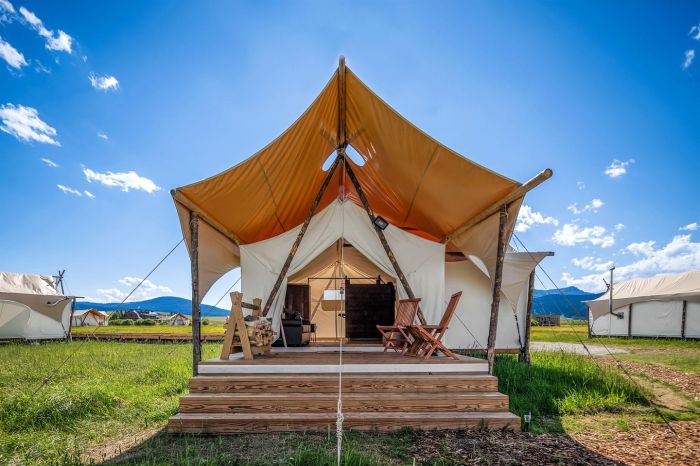
Volunteer vacations offer a unique opportunity to combine travel with making a positive impact on communities in need. Participants can contribute their time and skills to various projects while immersing themselves in different cultures and environments.
Opportunities for Volunteer Vacations
- Building homes with Habitat for Humanity in countries like Guatemala or Nepal.
- Conservation work in Africa, such as wildlife monitoring in South Africa or marine conservation in Madagascar.
- Teaching English to children in Cambodia or India through organizations like Volunteering Solutions.
- Assisting with community development projects in countries like Peru or Thailand.
Personal Growth and Fulfillment
Volunteer vacations not only benefit the communities being served but also provide a rewarding experience for the volunteers themselves. By stepping out of their comfort zones, participants can develop new skills, gain a broader perspective on global issues, and create lasting connections with people from diverse backgrounds.
Tips for Selecting a Volunteer Vacation
- Identify your interests and skills to find a project that aligns with your passions.
- Research reputable organizations that have a positive track record in community engagement.
- Consider the location, duration, and cost of the volunteer program to ensure it fits your budget and schedule.
- Read reviews and testimonials from past volunteers to get a better sense of what to expect.
Farm Stay Vacation
Embark on a unique adventure with a farm stay vacation, where you can immerse yourself in the peaceful surroundings of a working farm. Experience the beauty of nature and agriculture firsthand while enjoying a relaxing getaway.
Popular Farm Stay Vacation Destinations and Activities
Many countries around the world offer farm stay vacation opportunities, allowing visitors to engage in various activities such as:
- Participating in farm chores like milking cows, feeding animals, or harvesting crops
- Learning about sustainable farming practices and organic gardening
- Exploring scenic trails, orchards, vineyards, or flower fields
- Enjoying farm-to-table meals with fresh, locally produced ingredients
Benefits of Connecting with Nature and Agriculture
During a farm stay vacation, you can reap numerous benefits, including:
- Relaxation and stress relief in a serene rural setting
- Increased appreciation for nature and the source of our food
- Educational opportunities to learn about farming and sustainability
- Quality time spent with loved ones away from the hustle and bustle of city life
Tips for a Memorable Farm Stay Vacation Experience
Make the most of your farm stay vacation by following these tips:
- Research and choose a farm that aligns with your interests and preferences
- Pack appropriate clothing and footwear for outdoor activities and farm work
- Respect the farm’s rules and guidelines to ensure a harmonious stay
- Engage with the hosts and farm owners to learn more about their way of life
Educational Vacation
An educational vacation combines the joy of traveling with the opportunity to learn something new or deepen your knowledge on a specific subject. It offers a chance to explore different cultures, histories, environments, or skills while enjoying a break from your daily routine. Educational vacations can be a great way to expand your horizons, gain new experiences, and foster personal growth.
Benefits of Educational Vacation
- Enhances knowledge and skills in a specific area of interest.
- Provides hands-on learning experiences that are engaging and memorable.
- Promotes cultural understanding and appreciation for diversity.
- Boosts personal development and self-confidence through new challenges.
- Creates lasting memories and connections with like-minded individuals.
Examples of Educational Vacation Programs or Destinations
- Art workshops in Tuscany, Italy to learn painting or pottery techniques.
- Archaeological digs in Greece to uncover ancient history firsthand.
- Language immersion programs in Spain for a deep dive into Spanish culture.
- Ecotourism trips to the Amazon Rainforest to study biodiversity and conservation.
- Culinary tours in France to master the art of French cooking.
Importance of Lifelong Learning Through Travel
Traveling and learning go hand in hand, offering opportunities to explore new perspectives, challenge assumptions, and continuously grow as individuals. Lifelong learning through travel fosters curiosity, adaptability, and a deeper understanding of the world around us. It encourages us to step out of our comfort zones, embrace new experiences, and appreciate the richness of human knowledge and cultural heritage.
Tips for Planning an Enriching Educational Vacation
- Identify your interests and goals for learning during the trip.
- Research educational programs, workshops, or destinations that align with your interests.
- Consider the logistics of travel, accommodation, and any necessary preparations for the educational activities.
- Engage with local experts, guides, or instructors to make the most of your learning experience.
- Reflect on your experiences and apply newfound knowledge or skills to your daily life.
Hiking and Trekking
Hiking and trekking are popular outdoor activities that allow individuals to connect with nature, challenge themselves physically and mentally, and explore breathtaking landscapes. Whether navigating through dense forests, climbing steep mountains, or trekking across vast plains, hiking and trekking adventures offer a unique opportunity to experience the beauty of the great outdoors.
Famous Hiking and Trekking Trails
- The Appalachian Trail in the United States, stretching over 2,000 miles from Georgia to Maine, offers a diverse range of landscapes and ecosystems for hikers to explore.
- The Inca Trail in Peru, leading to the ancient ruins of Machu Picchu, provides a glimpse into the rich history of the Incan civilization amidst stunning mountain scenery.
- The Everest Base Camp Trek in Nepal takes trekkers on a journey to the foot of the world’s highest peak, Mount Everest, through remote villages and breathtaking Himalayan vistas.
Physical and Mental Benefits
- Hiking and trekking help improve cardiovascular health, strengthen muscles, and enhance overall physical fitness.
- Spending time in nature while hiking or trekking can reduce stress, boost mood, and improve mental well-being.
- These activities also promote mindfulness, self-reflection, and a sense of accomplishment as individuals conquer challenging terrains and reach new heights.
Safety Tips for Hikers and Trekkers
- Always plan your route and inform someone of your itinerary before setting out on a hike or trek.
- Stay hydrated, pack essential supplies such as water, food, first aid kit, and dress appropriately for the weather conditions.
- Be aware of your surroundings, follow trail markers, and avoid straying off the designated paths to prevent getting lost.
- Respect wildlife, tread lightly on the environment, and adhere to Leave No Trace principles to preserve the natural beauty of hiking trails.
Camping
Camping is a popular recreational activity that allows individuals and families to disconnect from the hustle and bustle of everyday life and connect with nature. It offers a unique opportunity to spend time outdoors, breathe in fresh air, and appreciate the beauty of the natural world. Whether in a tent, RV, or cabin, camping provides a chance to relax, unwind, and create lasting memories.
Types of Camping Experiences
- Traditional Camping: Pitching a tent and cooking over a campfire in a designated campground.
- Glamping (Glamorous Camping): Upscale camping experience with luxury amenities such as comfortable beds, electricity, and even air conditioning.
- RV Camping: Traveling and camping in a recreational vehicle with all the comforts of home on wheels.
- Backpacking: Carrying all necessary gear and supplies on your back to camp in remote wilderness areas.
Essential Gear and Preparation
- Tent or Shelter: Provides a place to sleep and protection from the elements.
- Sleeping Bag: Keeps you warm and comfortable during the night.
- Cooking Supplies: Portable stove, utensils, and food for meals.
- Clothing: Dress in layers and pack appropriate attire for the weather conditions.
- First Aid Kit: Essential for treating minor injuries or illnesses while outdoors.
Tips for a Memorable Camping Experience
- Choose the right campsite: Research and select a campground that suits your preferences and needs.
- Be prepared: Check the weather forecast, pack essentials, and familiarize yourself with camping equipment.
- Leave no trace: Practice responsible camping by cleaning up after yourself and respecting nature.
- Embrace the outdoors: Disconnect from technology, take in the sights and sounds of nature, and enjoy outdoor activities.
- Stay safe: Follow camping regulations, be aware of wildlife, and have emergency contacts on hand.
Cycling and Mountain Biking
Cycling and mountain biking offer thrilling adventures for outdoor enthusiasts of all ages. Whether you prefer the adrenaline rush of speeding down rugged mountain trails or the leisurely pace of exploring scenic countryside roads, there is something for everyone in the world of cycling and mountain biking.
Popular Cycling and Mountain Biking Routes and Destinations
- Rocky Mountain National Park, Colorado: Offers a variety of trails for all skill levels with breathtaking views of the Rocky Mountains.
- Moab, Utah: Known for its challenging slickrock trails and unique red rock formations, Moab is a popular destination for mountain bikers.
- Amsterdam, Netherlands: Explore the picturesque Dutch countryside on well-maintained cycling paths and visit charming villages along the way.
Health Benefits of Cycling and Mountain Biking
- Riding a bike is a great way to improve cardiovascular fitness, strengthen muscles, and increase flexibility.
- Cycling and mountain biking are low-impact exercises that are easy on the joints, making them suitable for people of all fitness levels.
- Regular biking can help reduce stress, improve mental well-being, and boost overall mood.
Maintenance Tips for Bikes and Safety Guidelines for Riders
- Regularly check your bike for any signs of wear and tear, and keep it well-maintained to ensure a safe and smooth ride.
- Always wear a helmet while cycling or mountain biking to protect yourself from head injuries in case of accidents.
- Obey traffic rules and signals, use hand signals to indicate turns, and stay visible to other road users by wearing bright clothing.
Fishing and Angling
Fishing and angling are popular outdoor activities that offer a perfect blend of relaxation and excitement for enthusiasts of all ages. Whether you prefer the tranquility of sitting by the water waiting for a bite or the thrill of reeling in a big catch, fishing and angling provide a unique connection to nature.
Renowned Fishing and Angling Spots
- 1. The Florida Keys, USA: Known for its abundance of fish species, including tarpon, bonefish, and permit.
- 2. Tromso, Norway: A prime location for Arctic fishing with opportunities to catch cod, halibut, and salmon.
- 3. Great Barrier Reef, Australia: Offers world-class deep-sea fishing experiences with marlin, tuna, and barracuda.
Conservation Efforts in Fishing and Angling
Conservation efforts play a crucial role in maintaining the balance of aquatic ecosystems and preserving fish populations for future generations. Many fishing and angling enthusiasts actively participate in catch-and-release practices to ensure sustainable fishing practices.
Tips for Beginners
- Start with the right equipment: Invest in a beginner-friendly fishing rod and reel.
- Learn basic techniques: Practice casting and reeling in a controlled environment before hitting the water.
- Research local regulations: Familiarize yourself with fishing laws and regulations in your area to avoid any penalties.
- Pack essentials: Bring along sunscreen, insect repellent, and plenty of water to stay comfortable during your fishing trip.
Kayaking and Canoeing
Kayaking and canoeing offer a perfect blend of serenity and adventure, allowing you to explore stunning waterways while connecting with nature. Whether you prefer the calmness of a serene lake or the excitement of navigating through rapids, these water activities provide an unforgettable experience for outdoor enthusiasts of all ages.
Picturesque Locations for Kayaking and Canoeing
- Explore the crystal-clear waters of Milford Sound in New Zealand, surrounded by majestic cliffs and waterfalls.
- Paddle through the stunning fjords of Norway, where you can witness breathtaking landscapes and wildlife.
- Discover the beauty of the Amazon River in Brazil, immersing yourself in the lush rainforest while spotting exotic bird species.
- Experience the tranquility of the Algonquin Provincial Park in Canada, with its pristine lakes and dense forests.
Environmental Impact of Kayaking and Canoeing
It is important for kayakers and canoers to minimize their impact on the environment by following Leave No Trace principles, such as packing out all trash and avoiding disturbing wildlife.
- Choose biodegradable soap for washing dishes and clothes to prevent water contamination.
- Avoid paddling in shallow water to prevent damaging aquatic plants and habitats.
- Respect wildlife by observing from a distance and avoiding feeding them.
Safety Guidelines for Kayakers and Canoers
Ensuring your safety while kayaking or canoeing is crucial for a successful and enjoyable experience.
- Always wear a properly fitted life jacket.
- Check weather conditions before heading out and be prepared for sudden changes.
- Inform someone of your planned route and expected return time.
- Stay hydrated and protect yourself from the sun with sunscreen and a hat.
Rock Climbing and Bouldering
Rock climbing and bouldering are exhilarating outdoor activities that offer a unique adrenaline rush to enthusiasts. Whether scaling towering cliffs or navigating challenging boulders, these activities provide a thrilling experience that combines physical strength, mental focus, and problem-solving skills.
Rock Climbing Destinations
Some famous rock climbing destinations around the world include:
- Yosemite National Park, USA
- Fontainebleau, France
- Red River Gorge, USA
- Kalymnos, Greece
- Joshua Tree National Park, USA
Physical and Mental Benefits
Rock climbing and bouldering offer numerous benefits, including:
- Improving physical strength, endurance, and flexibility
- Enhancing mental focus, problem-solving skills, and decision-making abilities
- Boosting confidence, resilience, and self-esteem
- Providing a sense of accomplishment and satisfaction
Tips for Beginners
If you’re new to rock climbing and bouldering, consider the following tips:
- Start with indoor climbing gyms to learn basic techniques and build strength.
- Invest in proper climbing gear, including shoes, harness, and chalk bag.
- Learn from experienced climbers and take beginner classes or workshops.
- Practice safety protocols, including proper belaying and spotting techniques.
- Set realistic goals, track your progress, and celebrate small achievements along the way.
Wildlife Watching and Birding
Wildlife watching and birding are exciting activities that allow you to connect with nature and observe animals in their natural habitats. Whether you are watching a majestic eagle soar through the sky or listening to the beautiful songs of migratory birds, these experiences offer a sense of wonder and appreciation for the world around us.
Prime Wildlife Watching and Birding Locations
There are numerous prime wildlife watching and birding locations around the world that offer unique opportunities to see a diverse range of species. Some of the top destinations include:
- Costa Rica: Known for its rich biodiversity, Costa Rica is a paradise for birdwatchers with over 900 different bird species.
- Maasai Mara, Kenya: Home to the famous wildebeest migration and a variety of other wildlife such as lions, cheetahs, and elephants.
- Galapagos Islands, Ecuador: A UNESCO World Heritage Site where you can see unique species like the giant tortoise and blue-footed booby.
- Yellowstone National Park, USA: Offers a chance to see iconic wildlife such as bison, wolves, and grizzly bears in their natural habitat.
Ethical Considerations in Wildlife Observation
When observing wildlife, it is important to follow ethical guidelines to ensure the well-being of the animals and their habitats. Some key considerations include:
- Respect wildlife by observing from a safe distance and avoiding any actions that may disrupt their natural behavior.
- Do not feed or approach wild animals as it can alter their diet and habits, leading to dependency on humans.
- Support conservation efforts and responsible eco-tourism practices to help protect endangered species and their habitats.
Capturing Memorable Wildlife Watching Moments
To capture memorable wildlife watching moments, consider the following tips:
- Bring binoculars or a camera with a telephoto lens to get a closer look at distant wildlife without disturbing them.
- Be patient and observant, as wildlife sightings can be unpredictable. Take the time to enjoy the moment and appreciate the beauty of nature.
- Learn about the behavior and habitats of the species you want to see to increase your chances of a successful encounter.
Trail Running
Trail running has become increasingly popular among fitness enthusiasts looking for a more challenging and scenic alternative to road running. The allure of trail running lies in the opportunity to connect with nature, breathe fresh air, and explore diverse terrains while getting a great workout.
Scenic Trail Running Routes and Races
Some of the most breathtaking trail running routes and races around the world include:
- Western States 100-Mile Endurance Run in California, USA
- Ultra-Trail du Mont-Blanc in the Alps, Europe
- Inca Trail Marathon to Machu Picchu in Peru
- UTMB Oman in the Middle East
Mental and Physical Benefits of Trail Running
Trail running not only offers physical health benefits like improved cardiovascular fitness, strength, and endurance but also provides mental health benefits such as stress relief, improved mood, and increased mindfulness. The ever-changing scenery and challenging terrain keep runners engaged and motivated.
Training Tips for Aspiring Trail Runners
- Start with shorter trail runs to build endurance and adapt to uneven terrain.
- Focus on strength training to prevent injuries and improve performance on hills and technical trails.
- Invest in proper trail running shoes with good traction and support.
- Stay hydrated and carry nutrition for longer trail runs to fuel your body properly.
- Join a trail running group or community to learn from experienced runners and discover new trails.
Adventure Sports
Adventure sports are thrilling activities that provide an adrenaline rush to participants. These sports involve physical challenges, risks, and excitement, making them popular among adventure enthusiasts seeking an exhilarating experience. Safety measures are crucial in adventure sports to prevent accidents and ensure the well-being of participants. Beginners interested in trying out adventure sports should start with proper training, guidance, and equipment to enjoy the activities safely.
Popular Adventure Sports Activities and Destinations
Adventure sports encompass a wide range of activities such as skydiving, bungee jumping, white-water rafting, rock climbing, and zip-lining. Popular destinations for adventure sports include Queenstown in New Zealand for bungee jumping, Interlaken in Switzerland for paragliding, and Moab in Utah for rock climbing.
Importance of Safety Measures in Adventure Sports
Safety measures play a vital role in adventure sports to minimize risks and ensure the well-being of participants. It is essential for adventure sports enthusiasts to follow safety guidelines, use proper equipment, undergo training, and listen to instructions from experienced instructors to prevent accidents and injuries.
Guidance for Beginners Interested in Trying Out Adventure Sports
For beginners interested in adventure sports, it is important to start with activities suitable for their skill level, undergo proper training, and follow safety protocols. Beginners should seek guidance from certified instructors, use high-quality equipment, and gradually progress to more challenging adventures as they gain experience and confidence.
Epilogue
In conclusion, Family-Friendly Camping Sites opens up a world of possibilities for families seeking quality time in nature. With the right preparation and a spirit of adventure, your next camping trip can be a cherished memory for years to come. So pack your bags, pitch your tent, and get ready for an unforgettable journey into the great outdoors.
FAQs
What amenities should I look for in a family-friendly camping site?
Look for sites with kid-friendly activities, clean restrooms, and safety measures in place for families.
Are pets usually allowed at family-friendly camping sites?
It varies by site, so check the specific rules of each campground before bringing your furry friends along.
How can I ensure my family stays safe while camping?
Make sure to follow campground rules, pack essential safety gear, and educate everyone on outdoor safety practices.
Do I need to book family-friendly camping sites in advance?
It’s recommended to book in advance, especially during peak seasons, to secure your preferred spot.


