Embark on a journey of discovery with Educational Nature and Wildlife Vacations, immersing yourself in the beauty and diversity of the natural world. From exploring lush rainforests to observing majestic wildlife, these vacations offer a unique blend of education and adventure.
Discover the fascinating intersection of learning and leisure as you delve into the wonders of nature on these enriching trips.
Shopping Vacation
Planning a shopping vacation focused on local crafts and products can be a rewarding and enriching experience. Not only do you get to bring home unique items that you can’t find anywhere else, but you also support local artisans and businesses, helping to preserve traditional crafts and boost the local economy.
Tips for Planning a Shopping Vacation
- Research the local crafts and products of the destination you will be visiting to have an idea of what to look for.
- Set a budget for your shopping expenses to avoid overspending.
- Visit local markets, boutiques, and artisan workshops to discover authentic and handmade items.
- Consider shipping options for larger or fragile items to avoid carrying them with you during your travels.
Benefits of Supporting Local Artisans and Businesses
- Preservation of traditional crafts and techniques.
- Contribution to the local economy and community.
- Promotion of cultural exchange and appreciation for local traditions.
- Creation of sustainable livelihoods for artisans and their families.
Destinations Known for Unique Shopping Experiences
| Destination | Specialty |
|---|---|
| Bali, Indonesia | Handmade textiles, wood carvings, and silver jewelry. |
| Marrakech, Morocco | Leather goods, ceramics, and intricate textiles. |
| Santa Fe, New Mexico, USA | Turquoise jewelry, Native American crafts, and Southwestern art. |
Arctic and Polar Expeditions
Exploring the Arctic and Polar regions through expeditions can be an exciting and educational experience. However, it is crucial to practice responsible tourism to minimize negative impacts on the environment and wildlife.
Importance of Responsible Tourism
- Respect wildlife: Keep a safe distance from animals and avoid disturbing their natural habitats.
- Minimize waste: Properly dispose of trash and avoid leaving any waste behind.
- Support local communities: Engage with indigenous populations respectfully and learn about their traditions and way of life.
- Choose eco-friendly operators: Opt for tour companies that prioritize sustainability and conservation efforts.
Impact of Climate Change
Climate change is significantly affecting the Arctic region, leading to the melting of ice caps, rising sea levels, and changes in wildlife populations. The loss of sea ice threatens the survival of species like polar bears and seals, making it crucial to address environmental issues.
Cultural Significance of Indigenous Communities
The indigenous communities in the Arctic and Polar regions have a rich cultural heritage that is deeply connected to the environment. Their knowledge of the land, wildlife, and ecosystems is invaluable for understanding and preserving these fragile ecosystems. It is essential to respect and support these communities in their efforts to protect their traditions and way of life.
Music Festival Tour
Attending music festivals while traveling offers a unique opportunity to immerse yourself in the local culture, experience live performances, and connect with people from around the world who share a love for music. It’s a way to explore different genres, discover new artists, and create unforgettable memories.
Diversity of Music Genres and Festivals
Music festivals come in all shapes and sizes, showcasing a wide range of genres from rock and pop to electronic and folk music. From iconic events like Glastonbury in the UK to Coachella in the US, each festival has its own vibe and lineup that attracts music lovers of all kinds. Whether you’re into mainstream hits or underground sounds, there’s a festival out there for you to enjoy.
- Rock festivals like Download Festival in the UK or Lollapalooza in the US cater to fans of classic and alternative rock music.
- Electronic music festivals such as Tomorrowland in Belgium or Ultra Music Festival in Miami offer a high-energy experience with top DJs and electronic acts.
- Folk and world music festivals like WOMAD in the UK or Rainforest World Music Festival in Malaysia celebrate cultural diversity through traditional music and dance performances.
Tips for Incorporating a Music Festival Tour into a Broader Travel Itinerary:
- Check festival dates and locations in advance to plan your trip accordingly.
- Consider combining festival visits with sightseeing and exploring the local area.
- Book accommodations early, as nearby hotels and hostels tend to fill up quickly during festival season.
- Pack essentials like sunscreen, comfortable shoes, and a portable phone charger to stay prepared throughout the festival experience.
Rainforest Exploration
Rainforests play a crucial role in biodiversity conservation, housing a vast array of plant and animal species that are essential for maintaining ecological balance. These diverse ecosystems also provide valuable resources for indigenous communities and contribute to climate regulation on a global scale.
Ecotourism Practices for Sustainable Rainforest Exploration
- Supporting locally-owned eco-lodges and tour operators that prioritize environmental conservation and community engagement.
- Participating in guided tours led by knowledgeable naturalist guides who educate visitors on the importance of rainforest preservation.
- Engaging in low-impact activities such as bird watching, hiking, and wildlife spotting to minimize disturbance to the ecosystem.
- Purchasing sustainably-sourced souvenirs and products that support conservation initiatives and local communities.
Immersive Rainforest Experiences for Conservation Education
- Volunteering with conservation organizations to participate in reforestation projects and wildlife monitoring efforts.
- Visiting research stations and educational centers to learn about ongoing scientific studies and conservation strategies in the rainforest.
- Taking part in workshops and hands-on activities focused on sustainable living practices and environmental stewardship.
- Joining guided night tours to experience the nocturnal wildlife and unique ecosystems of the rainforest.
Spiritual Pilgrimage
Spiritual pilgrimages have been a significant aspect of various cultures and religions around the world, offering individuals a unique opportunity for introspection and connection to higher powers.
Historical and Cultural Significance
Spiritual pilgrimages hold deep historical and cultural roots, often tracing back to ancient times when people embarked on journeys to sacred sites to seek blessings, healing, or divine guidance.
Personal Growth and Self-Discovery
- Spiritual pilgrimages are often seen as transformative experiences that can lead to personal growth and self-discovery.
- By stepping out of their comfort zones and immersing themselves in spiritual practices, pilgrims often gain new perspectives on life and deepen their understanding of themselves.
- Connecting with nature and disconnecting from the distractions of modern life can also contribute to a sense of inner peace and clarity.
Pilgrimage Routes and Destinations
There are numerous pilgrimage routes and destinations known for their spiritual significance across different faith traditions and belief systems. Some popular examples include:
- The Camino de Santiago in Spain, a Christian pilgrimage route that culminates at the shrine of the apostle St. James in Santiago de Compostela.
- Varanasi in India, considered one of the oldest inhabited cities in the world and a sacred site for Hindus where pilgrims come to bathe in the Ganges River.
- Mecca in Saudi Arabia, the holiest city in Islam where millions of Muslims gather each year for the Hajj pilgrimage.
Geotourism Adventure

Geotourism focuses on sustainable tourism that preserves the environment and promotes local culture. It seeks to educate visitors about the significance of geological features and the need for conservation efforts.
Geodiversity and its Role
Geodiversity refers to the variety of geological features within a specific area, including rocks, minerals, fossils, landforms, and soils. In geotourism adventures, geodiversity plays a crucial role in providing unique and educational experiences for travelers. By exploring diverse geological landscapes, visitors can gain a better understanding of the Earth’s history and the forces that have shaped the planet over millions of years.
- Geotourism destinations often offer guided tours led by geologists or local experts who provide insights into the geological significance of the area.
- Visitors may have the opportunity to explore ancient rock formations, volcanic landscapes, or fossil-rich sites, learning about the geological processes that have occurred over time.
- Some geotourism destinations incorporate interactive exhibits, museums, or visitor centers that showcase the unique geodiversity of the region and highlight the importance of conservation efforts.
Examples of Geotourism Destinations
- Grand Canyon National Park, USA: Visitors can witness the breathtaking geological formations of the Grand Canyon, including layered rocks that reveal millions of years of Earth’s history. Guided tours and interpretive programs educate guests about the canyon’s geology and the importance of preserving this natural wonder.
- Geopark de Hondsrug, Netherlands: This geopark showcases the unique landscape of the Hondsrug region, with glacial landforms, ancient burial mounds, and geological anomalies. Visitors can explore the area on foot, bike, or guided tours to learn about the geological heritage of the region.
- Ring of Fire Geopark, Finland: Located in northern Finland, this geopark features volcanic landscapes, rugged coastlines, and geological formations shaped by ancient volcanic activity. Travelers can participate in geotours, workshops, and educational programs to discover the geological diversity of the area.
Birdwatching Vacation
Birdwatching vacations offer a unique opportunity to connect with nature and observe a wide variety of bird species in their natural habitats. Whether you are a beginner or an experienced birdwatcher, there are important tips to keep in mind to make the most of your birdwatching experience.
Tips for Beginners
- Invest in a good pair of binoculars to get a closer look at the birds without disturbing them.
- Start by learning about common bird species in your area before venturing out to more specialized birdwatching locations.
- Join guided birdwatching tours or local birding groups to learn from experienced birdwatchers and enhance your skills.
- Be patient and observant, as birds can be elusive and may require time to spot in their natural habitats.
Importance of Bird Conservation and Ethical Birdwatching Practices
Conservation of bird species and their habitats is crucial for maintaining biodiversity and ecosystem balance. As birdwatchers, it is important to follow ethical practices to minimize disturbances to birds and their habitats. Avoid getting too close to nesting birds, refrain from playing bird calls to attract them, and respect wildlife regulations in protected areas.
Recommendations for Birdwatching Hotspots Around the World
- Costa Rica: Known for its rich bird diversity, Costa Rica offers a variety of habitats from rainforests to mangroves, making it a paradise for birdwatchers.
- Galapagos Islands: Explore the unique bird species endemic to the Galapagos Islands, such as the blue-footed booby and the waved albatross.
- Maasai Mara, Kenya: Witness the spectacular bird migration in Maasai Mara, home to a wide range of bird species including raptors and waterfowl.
- Amazon Rainforest, Brazil: Experience the incredible bird diversity of the Amazon Rainforest, with opportunities to spot colorful macaws, toucans, and parrots.
Remote Island Retreat
Remote island retreats offer a unique appeal to travelers seeking solitude and natural beauty. These secluded locations provide a peaceful escape from the hustle and bustle of everyday life, allowing visitors to immerse themselves in pristine landscapes and reconnect with nature.
Sustainable Practices for Preserving Remote Island Ecosystems
When visiting remote island retreats, it is crucial to prioritize sustainable practices to preserve the fragile ecosystems of these isolated locations. Some key strategies include minimizing waste generation, respecting wildlife habitats, and supporting local conservation efforts. By following eco-friendly guidelines, travelers can help protect the biodiversity and natural beauty of remote islands for future generations.
Unique Activities on Remote Island Retreats
Remote island retreats offer a wide range of unique activities and experiences for travelers to enjoy. From snorkeling in crystal-clear waters to hiking through lush rainforests, visitors can immerse themselves in the diverse landscapes and rich biodiversity of these secluded destinations. Other popular activities include stargazing under unpolluted skies, learning about indigenous cultures, and discovering hidden beaches accessible only by boat.
Whether seeking adventure or relaxation, remote island retreats provide a one-of-a-kind travel experience for those looking to escape the ordinary.
Volunteer Vacation
Volunteer vacations, also known as voluntourism, are trips where travelers participate in volunteer activities while exploring new destinations. This growing trend allows individuals to contribute to meaningful projects and make a positive impact on local communities during their travels.
Impact on Local Communities
Volunteer vacations can have a significant impact on local communities by providing much-needed assistance in areas such as education, conservation, healthcare, and infrastructure development. These projects help address community needs and promote sustainable growth.
Benefits of Combining Travel with Volunteer Work
- Personal Growth: Engaging in volunteer work while traveling can lead to personal growth by fostering empathy, cultural understanding, and a sense of purpose.
- Skill Development: Participants can acquire new skills and experiences through volunteer activities, enhancing their personal and professional development.
- Making a Difference: Volunteer vacations offer the opportunity to make a positive impact and contribute to meaningful causes, leaving a lasting legacy in the communities visited.
Examples of Volunteer Vacation Programs
| Destination | Program | Focus Area |
|---|---|---|
| Costa Rica | Turtle Conservation Project | Wildlife Conservation |
| Ghana | Teaching English Program | Education |
| Nepal | Community Health Initiative | Healthcare |
Farm Stay Vacation
Exploring a farm stay vacation offers a unique opportunity to immerse yourself in rural life, connect with nature, and learn about sustainable agriculture firsthand.
Experience of Staying on a Farm
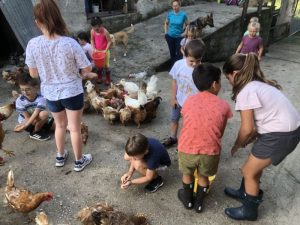
During a farm stay vacation, visitors can participate in various daily activities such as feeding animals, harvesting crops, milking cows, and even helping with farm chores. This hands-on experience allows guests to gain a deeper appreciation for where their food comes from and the hard work that goes into farming.
Benefits of Farm Stay Vacations for Learning About Sustainable Agriculture
- Gain insight into sustainable farming practices such as crop rotation, composting, and natural pest control.
- Understand the importance of biodiversity and conservation in agriculture.
- Learn about the impact of industrial farming and the benefits of supporting local, small-scale farms.
Recommendations for Farm Stay Destinations
- Tuscany, Italy: Experience traditional Italian farming practices and indulge in farm-to-table cuisine.
- Vermont, USA: Explore organic dairy farms and maple syrup production in a picturesque setting.
- Queensland, Australia: Discover sustainable tropical fruit farms and learn about permaculture techniques.
Educational Vacation
Exploring the concept of educational vacations goes beyond traditional leisure travel. These trips are designed to offer unique opportunities for learning, growth, and personal development. By immersing oneself in new cultures, environments, and experiences, educational vacations play a crucial role in lifelong learning.
Types of Educational Vacations
- Cooking Classes: Learn about local cuisines, ingredients, and cooking techniques from expert chefs in different parts of the world.
- Language Immersion Programs: Immerse yourself in a foreign language by attending language schools or living with host families to enhance your language skills.
- Historical Tours: Explore significant historical sites, museums, and landmarks to gain a deeper understanding of the past.
Benefits of Educational Elements in Travel
- Enhanced Learning: Gain new knowledge and skills that can broaden your perspective and enrich your life.
- Cultural Understanding: Develop empathy and appreciation for diverse cultures, traditions, and ways of life.
- Personal Growth: Step out of your comfort zone, challenge yourself, and build confidence through immersive educational experiences.
Hiking and Trekking
Hiking and trekking are great ways to connect with nature, stay active, and explore stunning landscapes. Whether you are a beginner or an experienced hiker, it’s important to keep safety in mind and be prepared for the challenges that different terrains can present.
Safety Tips for Hiking and Trekking
- Always let someone know your planned route and expected return time.
- Carry enough water, food, and essential supplies like a map, compass, and first aid kit.
- Check the weather forecast before heading out and dress accordingly.
- Stay on marked trails and be aware of wildlife in the area.
- Respect nature and leave no trace of your visit by properly disposing of waste.
Mental and Physical Health Benefits
Hiking and trekking offer a range of benefits for both the mind and body. The physical activity involved can help improve cardiovascular health, build strength, and boost overall fitness levels. In addition, spending time in nature has been shown to reduce stress, improve mood, and enhance mental well-being.
Iconic Hiking Trails and Trekking Routes
- The Inca Trail in Peru: A famous trek to Machu Picchu, offering stunning views of the Andes Mountains.
- The Appalachian Trail in the United States: A 2,200-mile trail passing through diverse landscapes on the east coast.
- The Tour du Mont Blanc in Europe: A challenging trek around the Mont Blanc massif, crossing through France, Italy, and Switzerland.
- The Milford Track in New Zealand: Known as the “finest walk in the world,” this trail offers breathtaking views of fjords and mountains.
Camping
Camping is a fantastic way to connect with nature and enjoy the great outdoors. Whether you’re a seasoned camper or new to the experience, having the right gear and knowing how to camp responsibly are essential for a successful trip.
Essential Camping Gear and Packing Tips
- Make sure to bring a sturdy tent, sleeping bag, and sleeping pad for a comfortable night’s sleep.
- Pack weather-appropriate clothing, including layers for varying temperatures.
- Don’t forget to bring a portable stove, cookware, and utensils for cooking meals at your campsite.
- Bring a reliable flashlight or headlamp, along with extra batteries, for nighttime visibility.
- Include a first aid kit, insect repellent, sunscreen, and a multi-tool for emergencies and convenience.
Importance of Leave No Trace Principles
- Follow the Leave No Trace principles to minimize your impact on the environment while camping.
- Respect wildlife by observing from a distance and not feeding them.
- Properly dispose of waste by packing out all trash and following designated waste disposal guidelines.
- Stay on established trails to protect vegetation and prevent habitat destruction.
- Leave natural and cultural artifacts untouched for others to enjoy.
Scenic Camping Destinations with Educational Opportunities
- Acadia National Park in Maine offers stunning coastal views and educational programs on local wildlife and ecosystems.
- Yosemite National Park in California provides a diverse range of camping options amidst iconic granite cliffs and waterfalls, with ranger-led activities for all ages.
- Great Smoky Mountains National Park on the border of North Carolina and Tennessee features rich biodiversity and interpretive programs on Appalachian culture and history.
- Rocky Mountain National Park in Colorado showcases alpine landscapes and wildlife while offering educational workshops on geology and ecology.
- Everglades National Park in Florida allows visitors to camp in the midst of vast wetlands and participate in guided tours to learn about the unique ecosystem and endangered species.
Cycling and Mountain Biking
Cycling and mountain biking adventures offer exhilarating experiences in diverse landscapes, from rugged mountains to scenic coastal paths. Planning ahead can enhance your enjoyment and safety while exploring nature on two wheels.
Tips for Planning Cycling and Mountain Biking Adventures
- Research the terrain and difficulty level of the trails to match your skill and fitness level.
- Check the weather forecast and pack appropriate gear for changing conditions.
- Ensure your bike is in good condition and bring necessary repair tools for emergencies.
- Carry sufficient water, snacks, and a first aid kit for longer rides in remote areas.
- Notify someone of your route and expected return time for added safety.
Environmental Benefits of Cycling
Cycling is a sustainable mode of transportation that reduces carbon emissions, promotes physical activity, and minimizes traffic congestion. By choosing to bike instead of drive, you are contributing to a healthier planet and a healthier you.
Recommendations for Scenic Cycling Routes and Mountain Biking Trails
- The Great Allegheny Passage in the USA offers a picturesque 150-mile trail through forests, farmlands, and charming towns.
- The Old Ghost Road in New Zealand provides a thrilling mountain biking experience with stunning views of the Southern Alps.
- The Dolomites in Italy boast challenging but rewarding cycling routes amid breathtaking alpine scenery.
- Whistler Mountain Bike Park in Canada is a world-renowned destination for downhill mountain biking enthusiasts.
- The Isle of Skye in Scotland features rugged coastal trails and ancient castles for a unique cycling adventure.
Fishing and Angling
Fishing and angling have deep cultural significance in various regions around the world, dating back centuries. It is not just a recreational activity but also a way of life for many communities, providing sustenance and connecting people to their natural surroundings.
Cultural Significance of Fishing
- In Japan, fishing is considered an art form with traditional methods like fly fishing and tenkara being highly respected.
- In coastal regions of India, fishing is not only a means of livelihood but also a cultural practice passed down through generations.
- In Scandinavia, ice fishing is a popular winter activity that holds cultural importance in communities.
Fishing Techniques and Best Practices
- Always follow catch and release practices to ensure the sustainability of fish populations.
- Use barbless hooks to minimize harm to the fish and facilitate easier release.
- Learn proper handling techniques to reduce stress and injury to the fish before releasing them back into the water.
- Respect fishing regulations and size limits to help preserve the marine ecosystem.
Popular Fishing Destinations
- The Great Barrier Reef in Australia is a renowned spot for deep-sea fishing with a wide variety of fish species to catch.
- Alaska’s Kenai River is famous for salmon fishing, attracting anglers from around the world for its abundance of fish.
- The Florida Keys offer excellent opportunities for both saltwater and freshwater fishing, known for its diverse marine life.
Kayaking and Canoeing
Kayaking and canoeing are fantastic ways to explore the great outdoors and connect with nature. Whether you’re gliding through calm waters or navigating challenging rapids, these activities offer a unique perspective on the beauty of our natural world.
Safety Tips for Kayaking and Canoeing
- Always wear a properly fitted life jacket to ensure safety in case of capsizing.
- Check weather conditions before heading out and be prepared for changing conditions.
- Stay hydrated and protect yourself from the sun by wearing sunscreen and a hat.
- Learn basic paddling techniques and practice them before tackling more difficult waters.
- Inform someone of your planned route and expected return time for safety purposes.
Benefits of Exploring Nature through Kayaking and Canoeing
- Immerse yourself in the serene beauty of nature and enjoy a sense of peace and tranquility.
- Engage in a full-body workout that improves strength, endurance, and cardiovascular health.
- Enhance mental well-being by reducing stress and promoting mindfulness in the peaceful surroundings.
- Develop a deeper appreciation for the environment and wildlife by observing them up close in their natural habitat.
Recommendations for Scenic Kayaking and Canoeing Routes with Wildlife Sightings
- Explore the Everglades in Florida for a chance to see alligators, manatees, and a variety of bird species.
- Paddle along the Apostle Islands National Lakeshore in Wisconsin to witness sea caves, pristine beaches, and diverse marine life.
- Discover the beauty of Glacier Bay in Alaska, where you can spot whales, seals, and bald eagles from your kayak.
- Embark on a journey through the Boundary Waters Canoe Area Wilderness in Minnesota for a peaceful retreat surrounded by untouched nature.
Rock Climbing and Bouldering
Rock climbing and bouldering are exhilarating adventure sports that offer a unique blend of physical and mental challenges amidst stunning natural landscapes. Whether you’re a beginner or an experienced climber, these activities provide an opportunity to push your limits and connect with nature in a thrilling way.
Beginner-Friendly Tips
- Start with indoor climbing gyms to learn the basics of climbing techniques and safety measures.
- Invest in proper climbing gear including shoes, harness, and chalk bag for a comfortable and secure climbing experience.
- Join a beginner-friendly climbing group or take lessons from certified instructors to improve your skills and confidence.
- Practice proper body positioning, footwork, and breathing techniques to enhance your climbing efficiency and reduce fatigue.
Mental and Physical Challenges
- Rock climbing and bouldering require focus, problem-solving skills, and mental resilience to overcome challenging routes and obstacles.
- The physical demands of these sports build strength, endurance, flexibility, and coordination, enhancing overall fitness levels.
- Managing fear, staying calm under pressure, and trusting your abilities are essential for a successful climbing experience.
Recommended Destinations
- Joshua Tree National Park, California: Known for its iconic rock formations and diverse climbing routes suitable for all skill levels.
- Fontainebleau, France: A bouldering paradise with unique sandstone boulders surrounded by picturesque forests.
- Red River Gorge, Kentucky: Offers a wide range of climbing challenges in a scenic gorge setting, perfect for climbers of all abilities.
Wildlife Watching and Birding
When engaging in wildlife watching and birding activities, it is crucial to prioritize the well-being of the animals and their natural habitats. By following certain techniques and guidelines, you can enjoy observing these creatures without causing them any harm.
Conservation efforts play a vital role in safeguarding wildlife habitats and ensuring the survival of various species. It is essential to support initiatives that aim to protect the environment and promote biodiversity.
Techniques for Wildlife Watching and Birding
- Avoid getting too close to the animals to prevent them from feeling threatened or stressed.
- Use binoculars or a camera with a zoom lens to observe wildlife from a distance.
- Respect restricted areas and follow designated trails to minimize disturbance to the animals.
- Refrain from making loud noises or sudden movements that could startle the wildlife.
Importance of Conservation Efforts
- Conservation efforts help protect the habitats that wildlife depend on for food, shelter, and breeding.
- Preserving biodiversity is essential for maintaining ecological balance and preventing species extinction.
- Supporting conservation organizations and participating in conservation projects can make a positive impact on wildlife and their habitats.
Wildlife Watching and Birding Tours
- Choose wildlife watching tours that prioritize education and conservation, offering insights into the local ecosystems and wildlife species.
- Opt for tours led by knowledgeable guides who can provide information about the animals, their behaviors, and the importance of conservation.
- Look for tour operators that follow ethical guidelines and sustainable practices to minimize their impact on the environment.
Trail Running
Trail running is a challenging and rewarding outdoor activity that offers a unique way to stay fit and connect with nature. Running on trails requires a different set of skills compared to road running, as you navigate uneven terrain, rocky paths, steep hills, and unpredictable weather conditions. It provides a great workout for both the body and mind, offering numerous benefits for physical fitness and mental well-being.
Training Tips for Trail Running in Different Terrains
- Gradually increase the distance and elevation of your runs to build endurance and strength.
- Practice running on different surfaces such as gravel, mud, rocks, and roots to improve your balance and stability.
- Incorporate hill repeats and interval training to prepare for the inclines and declines on the trails.
- Focus on proper form and technique to prevent injuries on challenging terrain.
- Stay hydrated and fuel your body with the right nutrition before, during, and after your trail runs.
Benefits of Trail Running for Physical Fitness and Mental Well-being
- Improves cardiovascular health and endurance by engaging different muscle groups and varying intensity levels.
- Enhances balance, agility, and coordination through navigating uneven terrain and obstacles.
- Reduces stress and anxiety by immersing yourself in nature and disconnecting from the distractions of everyday life.
- Boosts mood and mental clarity through the release of endorphins and the sense of accomplishment from conquering challenging trails.
Recommendations for Scenic Trail Running Routes with Challenging Landscapes
- Explore national parks and conservation areas with well-maintained trails and breathtaking views.
- Seek out mountainous regions with elevation gains for a more intense workout and stunning panoramic vistas.
- Discover coastal trails along cliffs and beaches, combining the serenity of the ocean with the thrill of trail running.
- Join trail running events and races to challenge yourself and connect with a community of fellow trail enthusiasts.
Adventure Sports
Adventure sports offer a unique blend of excitement, adrenaline, and a sense of accomplishment that attracts thrill-seekers from all over the world. Whether it’s scaling a cliff, navigating white-water rapids, or jumping out of a plane, the rush of participating in these activities is unparalleled.
Risk and Safety Measures
- Before engaging in any adventure sport, it’s crucial to assess the risks involved and ensure you have the necessary skills and training.
- Always follow safety guidelines and wear appropriate gear to minimize the chances of accidents or injuries.
- Many adventure sports require proper supervision by trained professionals to ensure a safe and enjoyable experience.
Training and Preparation
- Participating in adventure sports often requires specific training and conditioning to build the necessary skills and stamina.
- Enrolling in courses or workshops can help you learn the techniques and safety protocols essential for each activity.
- Regular practice and honing your skills are crucial for mastering adventure sports and enjoying them to the fullest.
Closure
As you wrap up your experience with Educational Nature and Wildlife Vacations, take with you not just memories, but a newfound appreciation for the environment and its inhabitants. Let the spirit of exploration and conservation guide you in your future travels.
FAQ Guide
What kinds of activities can I expect on an Educational Nature and Wildlife Vacation?
Activities may include guided nature walks, wildlife safaris, conservation lectures, and hands-on experiences with local flora and fauna.
Are these vacations suitable for families with children?
Yes, many Educational Nature and Wildlife Vacations cater to families and offer kid-friendly activities and educational programs.
How can I contribute to conservation efforts during these vacations?
You can participate in volunteer activities, learn about sustainable practices, and support local conservation initiatives through your participation.
What should I pack for an Educational Nature and Wildlife Vacation?
It’s advisable to pack comfortable walking shoes, lightweight clothing, a refillable water bottle, sunscreen, insect repellent, and a camera to capture memorable moments.
Are these vacations suitable for solo travelers?
Yes, many tour operators offer options for solo travelers to join group excursions or customize their experience based on individual preferences.