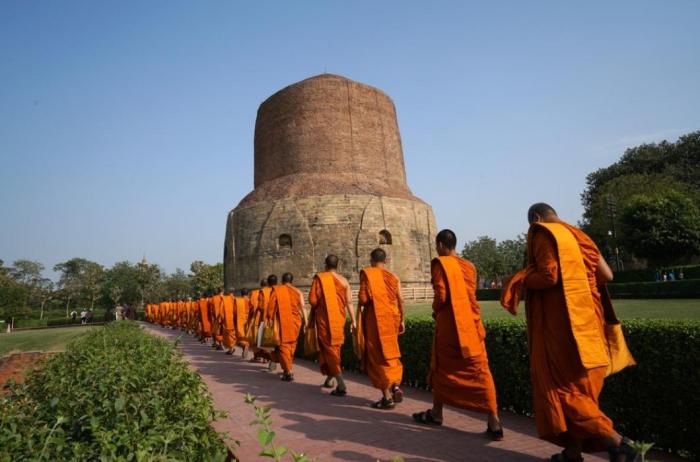
Embark on a spiritual quest along the ancient Buddhist Pilgrimage Routes, where history, culture, and faith converge to create a transformative experience. Explore the depths of these sacred paths as we unravel stories of pilgrimage and enlightenment.
Discover the essence of Buddhist pilgrimage routes and the profound impact they have on individuals seeking spiritual growth and connection.
Introduction to Buddhist Pilgrimage Routes
Buddhist pilgrimage routes hold significant cultural and spiritual importance for followers of Buddhism. These ancient routes connect key sites related to the life of Buddha and important teachings of the religion.
Historical Significance of Buddhist Pilgrimage Routes
The concept of pilgrimage in Buddhism dates back to the time of the Buddha himself, who encouraged his followers to visit key sites associated with his life and teachings. Over the centuries, these routes have become established traditions, attracting pilgrims from around the world.
Connection to Key Buddhist Sites and Teachings
- Visiting sites such as Lumbini in Nepal, the birthplace of Buddha, allows pilgrims to connect with the origins of the religion.
- Other important sites like Bodh Gaya, where Buddha attained enlightenment, offer pilgrims an opportunity for spiritual reflection and growth.
- The teachings and stories associated with these sites are passed down through generations, enriching the spiritual journey of those who undertake the pilgrimage.
Popular Buddhist Pilgrimage Routes
Throughout the world, there are several famous Buddhist pilgrimage routes that hold immense cultural and spiritual significance for Buddhists. These routes attract pilgrims seeking enlightenment, spiritual growth, and a deeper connection to the teachings of Buddha.
1. The Four Sacred Sites of Buddhism
The Four Sacred Sites of Buddhism, also known as the Four Great Places, are Lumbini, Bodh Gaya, Sarnath, and Kusinara. These sites are significant as they mark the key events in the life of Siddhartha Gautama, the historical Buddha.
- Lumbini: Birthplace of Buddha
- Bodh Gaya: Place of Enlightenment
- Sarnath: First Sermon
- Kusinara: Buddha’s Parinirvana
2. Shikoku Pilgrimage, Japan
The Shikoku Pilgrimage is a 1,200 km route that covers 88 temples associated with the Buddhist monk Kukai, also known as Kobo Daishi. Pilgrims walk the entire route, seeking spiritual enlightenment and purification.
3. Mount Kailash Kora, Tibet
The Mount Kailash Kora is a sacred pilgrimage route around Mount Kailash in Tibet. Buddhists, Hindus, Jains, and Bon followers circumambulate the mountain as a part of their spiritual practice, believing it brings good fortune and spiritual merit.
4. Mahamuni Pagoda Pilgrimage, Myanmar
The Mahamuni Pagoda Pilgrimage in Myanmar is a significant route for Buddhists who visit the Mahamuni Buddha image to pay their respects and make offerings. Pilgrims believe that paying homage to the statue brings blessings and spiritual merit.
Experience of Pilgrims
Embarking on a Buddhist pilgrimage route is a profound journey that can be both physically challenging and spiritually rewarding. Pilgrims undertake these journeys with the intention of deepening their connection to the teachings of Buddhism and seeking inner peace and enlightenment.
Stories of Pilgrims
- One pilgrim, Sarah, shared her experience of walking the ancient Buddhist pilgrimage route in India. She described the sense of tranquility and mindfulness that enveloped her as she visited sacred sites and meditated along the way.
- Another pilgrim, Raj, embarked on a pilgrimage to Lumbini, the birthplace of Buddha. He spoke of the sense of awe and reverence he felt as he stood in the place where Siddhartha Gautama was born, reflecting on the profound impact of Buddha’s teachings on his life.
Typical Journey of a Pilgrim
Most pilgrims start their journey by visiting important Buddhist sites such as Bodh Gaya, Sarnath, and Kushinagar in India, or Lumbini in Nepal. They often travel on foot or by other means of transportation, immersing themselves in the history and spirituality of each location.
Challenges and Rewards
Undertaking a pilgrimage journey can come with physical challenges such as long hours of walking, extreme weather conditions, and basic accommodations. However, the rewards of such a journey are immense, including a deep sense of inner peace, spiritual growth, and a renewed connection to one’s faith.
Spiritual Significance
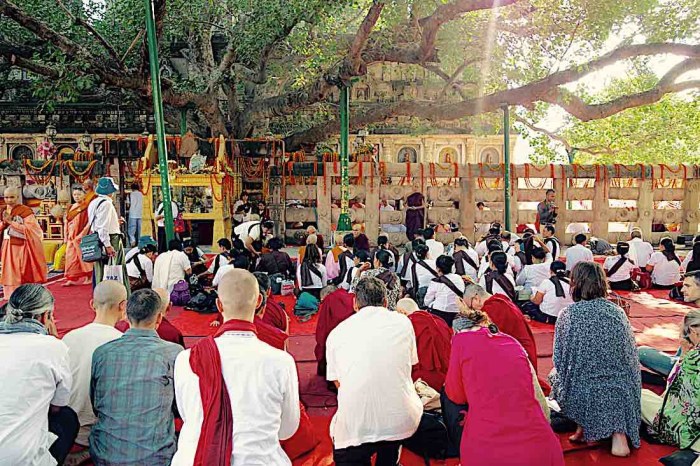
The Buddhist pilgrimage routes hold immense spiritual significance for practitioners, serving as a powerful means of deepening one’s faith and connection to the teachings of Buddha. These sacred journeys are not merely physical expeditions but profound spiritual endeavors that allow pilgrims to immerse themselves in their beliefs and cultivate a sense of inner peace and enlightenment.
Rituals and Practices
- Performing prostrations: Pilgrims often engage in the practice of prostrating along the pilgrimage routes as a way to show reverence and humility towards the Buddha and his teachings.
- Circumambulating sacred sites: Walking in a clockwise direction around stupas, shrines, or temples is a common ritual observed by pilgrims to generate merit and purify negative karma.
- Meditation and chanting: Many pilgrims engage in meditation and chanting practices at various pilgrimage sites to deepen their spiritual connection and cultivate mindfulness.
Spiritual Growth and Enlightenment
- Transformation and self-reflection: The arduous journey along the pilgrimage routes often leads to moments of introspection and self-discovery, allowing pilgrims to confront their inner struggles and work towards personal growth.
- Connection to sacred teachings: By visiting the places where Buddha attained enlightenment or delivered sermons, pilgrims can gain a deeper understanding of the Dharma and its relevance to their own lives.
- Cultivation of virtues: The challenges and hardships faced during the pilgrimage serve as opportunities for pilgrims to cultivate patience, compassion, and resilience, leading to spiritual growth and enlightenment.
Cultural Impact
The Buddhist pilgrimage routes have had a profound cultural impact on the local communities they pass through. These routes have influenced art, architecture, and traditions in significant ways, shaping the cultural landscape of the regions they traverse.
Influence on Art and Architecture
The Buddhist pilgrimage routes have served as a source of inspiration for artists and architects, leading to the creation of magnificent sculptures, paintings, and architectural marvels along the way. The exquisite carvings on stupas, intricate murals in temples, and grand monastic complexes stand as a testament to the artistic and architectural influence of these pilgrimage routes.
Impact on Traditions
The traditions and practices of the local communities have been deeply influenced by the presence of Buddhist pilgrimage routes. Rituals, festivals, and ceremonies associated with these routes have become an integral part of the cultural fabric of the regions. The teachings of Buddhism brought by pilgrims have also contributed to the spiritual and ethical foundation of these communities.
Cultural Landscape
The pilgrimage routes have played a vital role in shaping the cultural landscape of the regions they pass through. They have fostered a sense of unity and interconnectedness among different communities, promoting cultural exchange and mutual understanding. The presence of pilgrimage sites has also led to the development of infrastructure and amenities to cater to the needs of pilgrims, further enriching the cultural experience of both locals and visitors.
Modern Interpretation
In the modern world, Buddhist pilgrimage routes hold a significant place in the hearts of believers and tourists alike. These ancient paths are not only revered for their spiritual significance but also appreciated for their cultural and historical value.
Role of Technology and Infrastructure
With advancements in technology and infrastructure, pilgrimage routes have become more accessible to a larger audience. Websites, mobile apps, and GPS systems now provide detailed information and guidance to pilgrims, making the journey smoother and more convenient.
Intersection of Tradition and Modernity
The intersection of tradition and modernity in the context of pilgrimage is a delicate balance. While modern amenities enhance the overall experience, it is essential to preserve the traditional practices and rituals that have been passed down through generations. Pilgrims today must navigate between embracing modern comforts and respecting the ancient traditions.
Sustainable Tourism
As Buddhist pilgrimage routes attract a significant number of visitors each year, it is crucial to focus on sustainable tourism practices to preserve the environment and heritage sites along these sacred paths. Sustainable tourism not only ensures the protection of these sites but also contributes to the overall well-being of local communities and ecosystems.
Preservation Initiatives
Various initiatives have been implemented to safeguard the environment and heritage sites along Buddhist pilgrimage routes. These include:
- Restoration and conservation projects to maintain historical structures and artifacts.
- Waste management programs to reduce litter and pollution in pilgrimage areas.
- Eco-friendly accommodation options to minimize the ecological footprint of pilgrims and tourists.
- Community-based tourism initiatives that empower local residents and foster cultural exchange.
Responsible Travel
Responsible travel practices play a significant role in ensuring the sustainability of Buddhist pilgrimage routes. Pilgrims and tourists can contribute to responsible travel by:
- Respecting local customs and traditions while visiting sacred sites.
- Minimizing waste generation by carrying reusable items and disposing of trash properly.
- Supporting local businesses and artisans to promote economic growth in pilgrimage regions.
- Choosing eco-friendly transportation options to reduce carbon emissions during travel.
Comparison with Other Types of Spiritual Journeys
Buddhist pilgrimage routes offer a unique spiritual experience that differs from other types of spiritual journeys like Christian pilgrimages or Hindu yatras. While each tradition has its own set of beliefs and practices, there are similarities and differences in the motivations and practices of pilgrims from different faith traditions.
Similarities and Differences
- Similarities:
- Both Buddhist pilgrimages and Christian pilgrimages involve visiting sacred sites and paying respects to revered figures.
- Both traditions emphasize the importance of faith, devotion, and self-reflection during the pilgrimage journey.
- Both types of spiritual journeys aim to deepen the pilgrims’ connection to their faith and cultivate a sense of inner peace and enlightenment.
- Differences:
- Christian pilgrimages often focus on specific events from the life of Jesus Christ or important saints, while Buddhist pilgrimages are centered around the life of Buddha and key events from his life.
- Hindu yatras, on the other hand, are often associated with specific deities and temples, with rituals and practices that differ from those of Buddhist and Christian pilgrimages.
- The cultural and historical contexts of each tradition also influence the practices and rituals observed during the pilgrimage journey.
Impact on Personal Growth and Spiritual Development
- Participating in a spiritual journey, whether Buddhist, Christian, or Hindu, can have a profound impact on personal growth and spiritual development.
- Through these journeys, pilgrims often experience a sense of renewal, inner peace, and connection to something greater than themselves.
- The challenges and hardships faced during the pilgrimage journey can also serve as opportunities for self-discovery, reflection, and growth.
Conclusive Thoughts
Journey through the realms of tradition and modernity, where the echoes of ancient footsteps blend with the hum of contemporary pilgrims. Experience the enduring legacy of Buddhist pilgrimage routes and the timeless wisdom they bestow upon those who traverse them.
FAQ
What are the benefits of embarking on Buddhist pilgrimage routes?
Embarking on Buddhist pilgrimage routes allows individuals to connect with their faith, experience spiritual growth, and gain insights into Buddhist teachings.
How long do typical journeys along Buddhist pilgrimage routes last?
The duration of journeys along Buddhist pilgrimage routes can vary depending on the specific route, ranging from a few days to several weeks.
Are there specific rituals practiced by pilgrims along Buddhist pilgrimage routes?
Yes, pilgrims often engage in rituals such as meditation, prayer, and offerings at key Buddhist sites along the pilgrimage routes.


