Geotourism and Sustainable Travel sets the stage for this enthralling narrative, offering readers a glimpse into a story that is rich in detail with casual formal language style and brimming with originality from the outset.
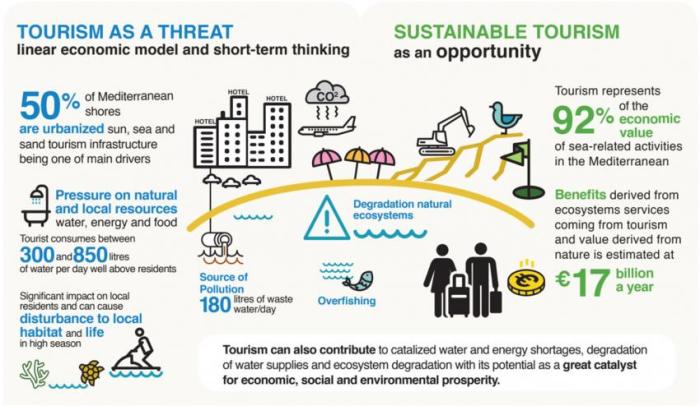
Geotourism and Sustainable Travel embody the essence of responsible travel, intertwining the beauty of nature with the necessity of conservation efforts. This exploration delves into the symbiotic relationship between preserving our planet’s treasures and embracing unforgettable adventures.
Geotourism and Sustainable Travel
Geotourism focuses on promoting responsible travel to natural and cultural destinations while conserving the environment and enhancing the well-being of local communities. Sustainable travel, on the other hand, involves making choices that have a positive impact on the environment, society, and economy of a destination.
Defining Geotourism and its Principles
Geotourism is based on the principles of sustainable tourism, emphasizing the conservation of natural and cultural heritage, as well as the well-being of local communities. It encourages visitors to learn about and respect the unique characteristics of a destination while minimizing their environmental footprint.
Importance of Sustainable Travel in Preserving Natural and Cultural Heritage
Sustainable travel plays a crucial role in preserving the natural and cultural heritage of destinations by reducing the negative impacts of tourism activities. By promoting responsible travel practices, such as supporting local businesses, conserving resources, and respecting local traditions, travelers can help protect the environment and contribute to the preservation of cultural sites.
Benefits of Promoting Geotourism for Local Communities and Economies
Promoting geotourism can bring a range of benefits to local communities and economies. It can create employment opportunities, support small businesses, and generate income for local residents. Additionally, geotourism can help raise awareness about the importance of preserving natural and cultural heritage, leading to increased conservation efforts and sustainable development.
Examples of Successful Geotourism Initiatives Around the World
- The Geoparks Network, which includes UNESCO Global Geoparks, promotes geotourism by highlighting the geological heritage of different regions and fostering sustainable tourism practices.
- The Great Barrier Reef Marine Park in Australia implements strict conservation measures to protect the reef while allowing visitors to experience its beauty through responsible tourism activities.
- Bhutan’s focus on high-value, low-impact tourism has helped preserve its unique cultural traditions and natural landscapes while benefiting local communities.
Shopping Vacation
A shopping vacation is a travel experience centered around exploring and indulging in retail therapy in various destinations around the world. It offers travelers the opportunity to discover unique local products, shop for souvenirs, and immerse themselves in the culture and lifestyle of the place through its shopping scene.
Popular Shopping Destinations
Some popular shopping destinations for travelers include:
- Tokyo, Japan: Known for its eclectic mix of traditional markets and modern shopping centers.
- Paris, France: Famous for high-end fashion boutiques and designer stores.
- Istanbul, Turkey: Offering a vibrant shopping experience in the Grand Bazaar and Spice Market.
- Dubai, UAE: Home to luxurious malls and traditional souks offering a wide range of products.
Impact on Local Economies
Shopping tourism can have a significant impact on local economies by boosting retail sales, creating job opportunities, and supporting local artisans and businesses. It can also contribute to the preservation of cultural heritage and traditions through the promotion of local products.
Sustainable Shopping Practices
For environmentally conscious travelers, adopting sustainable shopping practices is essential. This includes:
- Supporting local artisans and small businesses to promote fair trade and ethical practices.
- Choosing products made from sustainable materials and eco-friendly production processes.
- Reducing waste by opting for reusable bags and avoiding single-use plastic items.
- Participating in community-based shopping experiences that benefit local communities and minimize environmental impact.
Arctic and Polar Expeditions
Arctic and polar expeditions hold a special allure for adventure seekers, offering a unique opportunity to explore some of the most remote and pristine wilderness areas on the planet.
Challenges of Sustainable Travel
Traveling sustainably in the Arctic and polar regions presents a number of challenges due to the fragile ecosystems and extreme conditions. It is crucial for travelers to minimize their impact on the environment and respect the delicate balance of these areas.
- Reduce waste by using reusable items and recycling whenever possible.
- Choose eco-friendly tour operators that prioritize conservation and sustainable practices.
- Respect wildlife by observing from a safe distance and following guidelines set by local authorities.
- Offset carbon emissions from travel by supporting carbon offset programs.
Unique Wildlife Encounters
Travelers in the Arctic and polar regions can expect to encounter a variety of unique wildlife, including:
- Polar bears hunting on sea ice.
- Whales breaching in the frigid waters.
- Puffins nesting on rocky cliffs.
- Arctic foxes camouflaged against the snowy landscape.
Responsible Tourism Practices
Responsible tourism practices play a crucial role in preserving the Arctic and polar areas for future generations. Some key practices include:
- Supporting local communities by purchasing goods and services from indigenous artisans.
- Respecting cultural traditions and seeking permission before taking photographs or interacting with locals.
- Following designated trails and respecting wildlife habitats to minimize disruption.
- Participating in conservation efforts such as beach clean-ups or wildlife monitoring programs.
Music Festival Tour
Music festival tours offer travelers a unique opportunity to immerse themselves in the vibrant world of live music, connecting with people from different cultures and backgrounds through a shared love of music. The allure of music festival tours lies in the unforgettable experiences, the chance to discover new artists, and the electrifying atmosphere that can only be found at these events.
Different Music Festivals Around the World
- Coachella Valley Music and Arts Festival in California, USA: Known for its star-studded lineup and trendy fashion scene.
- Glastonbury Festival in Somerset, England: One of the largest greenfield music and performing arts festivals in the world.
- Sonar Festival in Barcelona, Spain: Celebrated for its cutting-edge electronic music and multimedia art.
Cultural Significance of Music Festivals
Music festivals hold immense cultural significance in various regions, serving as a platform for artists to showcase their talents, preserving traditional music and dance forms, and fostering a sense of community and belonging among attendees. These events often celebrate local heritage and promote cultural exchange, bridging gaps between different generations and promoting cultural diversity.
Promoting Sustainable Practices During Music Festival Tours
- Encouraging the use of reusable water bottles and utensils to reduce waste.
- Implementing recycling programs and providing designated bins for proper waste disposal.
- Supporting local vendors and artisans to promote economic sustainability within the community.
- Offering eco-friendly transportation options for attendees, such as shuttle services or carpooling initiatives.
Rainforest Exploration
Rainforest exploration plays a crucial role in biodiversity conservation, as these ecosystems are home to a wide variety of plant and animal species. By understanding and appreciating the unique flora and fauna found in rainforests, travelers can develop a deeper connection to the environment and support conservation efforts.
Importance of Rainforest Exploration for Biodiversity Conservation
- Exploring rainforests allows travelers to witness firsthand the incredible diversity of plant and animal species that inhabit these ecosystems.
- By experiencing the beauty and complexity of rainforest environments, travelers are more likely to support conservation initiatives aimed at protecting these valuable ecosystems.
- Through responsible ecotourism practices, visitors can contribute to the local economy and help promote sustainable development in rainforest regions.
Tips for Responsible Ecotourism in Rainforest Areas
- Choose eco-friendly accommodations that prioritize sustainability and minimize environmental impact.
- Follow designated trails and respect wildlife by observing from a safe distance without disturbing their natural behavior.
- Support local communities by purchasing handmade crafts or products that directly benefit residents living in rainforest regions.
Unique Flora and Fauna in Rainforests
- Rainforests are home to a vast array of plant species, including towering trees, colorful orchids, and rare medicinal plants with unique properties.
- Animal species found in rainforests range from elusive big cats like jaguars and leopards to vibrant birds like toucans and parrots, showcasing the rich biodiversity of these ecosystems.
- Endangered species such as the orangutan in Southeast Asian rainforests highlight the importance of conservation efforts to protect these iconic animals and their habitats.
Community-Based Tourism Initiatives in Rainforest Regions
- Community-based tourism initiatives empower local residents to showcase their culture and traditions while providing sustainable livelihood opportunities.
- Visitors can participate in cultural exchanges, guided tours led by indigenous guides, and immersive experiences that support the preservation of traditional knowledge and practices.
- By engaging with local communities, travelers can gain a deeper understanding of the interconnectedness between people and nature in rainforest regions, fostering a sense of appreciation and respect for these valuable ecosystems.
Spiritual Pilgrimage
Spiritual pilgrimage is a journey undertaken for religious or spiritual reasons, often to sacred sites or destinations of cultural significance. It holds great importance in various cultures around the world, providing individuals with opportunities for introspection, reflection, and connection to something greater than themselves.
Popular Spiritual Pilgrimage Destinations
- The Hajj in Mecca, Saudi Arabia, is one of the largest and most significant annual Islamic pilgrimages.
- Varanasi, India, is a sacred city for Hindus, known for its ghats along the Ganges River where pilgrims come to bathe and perform rituals.
- Lourdes, France, is a major Catholic pilgrimage site where believers visit the Sanctuary of Our Lady of Lourdes for healing and spiritual renewal.
- Camino de Santiago in Spain is a network of pilgrimage routes leading to the shrine of the apostle St. James in Santiago de Compostela.
Impact of Spiritual Tourism on Local Communities
Spiritual tourism can bring economic benefits to local communities through increased tourism revenue, job creation, and infrastructure development. However, it can also lead to challenges such as overt commercialization, environmental degradation, and cultural appropriation. Balancing the spiritual significance of these sites with sustainable tourism practices is crucial to ensure their long-term preservation.
Personal Stories or Experiences from a Spiritual Pilgrimage
“During my pilgrimage to Varanasi, I was deeply moved by the spiritual atmosphere and the rituals performed along the river. It was a transformative experience that allowed me to connect with my faith on a deeper level.”
“Walking the Camino de Santiago was a physically and emotionally challenging journey, but the sense of camaraderie among fellow pilgrims and the stunning landscapes along the way made it a truly unforgettable experience.”
Geotourism Adventure
Geotourism adventures offer travelers the opportunity to explore unique geological features while supporting sustainability efforts in the local communities they visit. These adventures focus on education, conservation, and responsible travel practices to ensure the preservation of natural resources for future generations.
Unique Geological Features
Geotourism adventures often attract travelers with their stunning geological formations, such as dramatic cliffs, volcanic landscapes, pristine beaches, and ancient rock formations. These natural wonders provide a glimpse into the Earth’s history and showcase the beauty and diversity of our planet’s landscapes.
- Visiting breathtaking canyons carved by rivers over millions of years
- Exploring caves with intricate formations created by underground water systems
- Hiking through rocky deserts filled with fossils and unique mineral deposits
Role of Geotourism in Environmental Awareness
Geotourism plays a crucial role in promoting environmental awareness by educating travelers about the importance of preserving natural landscapes and ecosystems. By engaging in sustainable travel practices and supporting local conservation efforts, geotourists contribute to the protection of biodiversity and the mitigation of environmental degradation.
- Participating in guided tours led by local experts to learn about the geological significance of the area
- Engaging in eco-friendly activities such as wildlife watching and nature walks to minimize impact on the environment
- Supporting community-based initiatives that aim to conserve and restore fragile ecosystems
Examples of Geotourism Adventures Supporting Conservation
There are numerous geotourism adventures around the world that actively support local conservation efforts through sustainable tourism practices. These initiatives not only help protect natural habitats and preserve cultural heritage but also provide economic benefits to the communities living in these areas.
- Volunteering at a geopark to assist with conservation projects and environmental monitoring
- Participating in geocaching activities that promote exploration of geological sites while raising awareness about conservation issues
- Supporting indigenous-led ecotourism initiatives that highlight the cultural and environmental significance of the land
Birdwatching Vacation
Birdwatching vacations offer a unique opportunity for nature enthusiasts to immerse themselves in the beauty of the natural world while observing a wide variety of bird species in their natural habitats.
Popular Birdwatching Destinations Worldwide
- Costa Rica: Known for its incredible biodiversity, Costa Rica is a paradise for birdwatchers with over 900 bird species.
- Galapagos Islands: Home to unique and endemic bird species like the famous Blue-footed Booby, the Galapagos Islands offer unparalleled birdwatching opportunities.
- Kenya: With a diverse range of habitats, Kenya is a hotspot for birdwatching, including the chance to see flamingos at Lake Nakuru.
- Australia: From colorful parrots to majestic birds of prey, Australia’s diverse landscapes are teeming with birdlife waiting to be discovered.
Importance of Birdwatching in Conservation Efforts
Birdwatching plays a crucial role in conservation efforts by raising awareness about the importance of protecting bird species and their habitats. By observing birds in the wild, enthusiasts can contribute valuable data to scientific research and monitoring programs.
Tips for Sustainable Birdwatching Practices
- Respect wildlife habitats and keep a safe distance from birds to avoid causing stress or disturbance.
- Stay on designated trails to minimize impact on the environment and avoid trampling vegetation.
- Avoid the use of playback devices to attract birds, as this can disrupt their natural behavior and breeding patterns.
- Support local conservation initiatives and birdwatching tours that prioritize environmental sustainability and wildlife protection.
Remote Island Retreat
Remote island retreats offer a unique escape for travelers looking to disconnect and immerse themselves in pristine natural surroundings far from the hustle and bustle of everyday life.
When it comes to sustainable tourism on remote islands, there are both challenges and benefits to consider. While limited resources and infrastructure can make it difficult to manage large numbers of tourists, responsible travel practices can help preserve the fragile ecosystems and cultures of these isolated destinations.
Unique Activities on Remote Islands
- Snorkeling and diving in crystal-clear waters to discover vibrant coral reefs and marine life.
- Hiking through lush rainforests to hidden waterfalls and panoramic viewpoints.
- Participating in traditional ceremonies and cultural experiences with local island communities.
- Exploring remote beaches and coves only accessible by boat or on foot.
Cultural Exchanges with Local Communities
Interacting with the residents of remote island communities can provide travelers with a deeper understanding of local traditions, customs, and ways of life. From learning traditional crafts to sharing meals with families, these cultural exchanges create meaningful connections and lasting memories.
Volunteer Vacation
Volunteer vacations, also known as voluntourism, involve traveling to a destination to participate in volunteer work that benefits local communities and environments. These trips offer a unique opportunity to make a positive impact while experiencing a new culture and environment.
Impact on Local Communities
Volunteer vacations can have a significant positive impact on local communities by providing much-needed support in areas such as education, healthcare, conservation, and community development. By volunteering your time and skills, you can help address specific challenges faced by these communities and contribute to sustainable development.
Benefits of Combining Travel with Volunteer Work
- Gain a deeper understanding of local cultures and customs.
- Make a meaningful difference in the lives of others.
- Develop new skills and broaden your perspective.
- Create long-lasting connections with locals and fellow volunteers.
- Experience personal growth and fulfillment through service.
Volunteer Vacation Opportunities Worldwide
There are numerous volunteer vacation opportunities available worldwide, catering to different interests and causes. Whether you’re passionate about wildlife conservation, community development, or disaster relief, there’s a volunteer program suited to your preferences. Some popular destinations for volunteer vacations include Africa, Asia, Latin America, and the Pacific Islands.
Personal Experiences and Success Stories
“During my volunteer vacation in Costa Rica, I had the opportunity to work with a local non-profit organization focused on reforestation. It was incredibly rewarding to see the impact of our work on the local ecosystem and to bond with the community members.”
“Volunteer vacations have not only allowed me to give back to communities in need but have also enriched my travel experiences by providing a deeper connection to the places I visit. I highly recommend incorporating volunteer work into your travels for a truly transformative journey.”
Farm Stay Vacation
Farm stay vacations offer travelers a unique opportunity to immerse themselves in the rural lifestyle by staying on working farms. This trend is gaining popularity as more people seek authentic experiences and a deeper connection to nature and local communities.Connecting with local farmers and rural communities during a farm stay vacation has numerous benefits. Travelers can learn about sustainable farming practices, participate in farm activities, and gain a better understanding of where their food comes from.
Additionally, interacting with farmers provides insight into local culture, traditions, and ways of life.
Unique Farm Stay Experiences
- Harvesting fresh produce and cooking farm-to-table meals
- Participating in animal care and feeding routines
- Learning about traditional farming methods and agricultural practices
- Exploring scenic countryside on guided farm tours or nature walks
Sustainable farming practices are often highlighted in farm stay accommodations, promoting environmental conservation and responsible land stewardship. Travelers can witness firsthand the importance of sustainable agriculture in preserving natural resources and promoting biodiversity.Farm stay vacations offer a holistic experience that combines relaxation, education, and cultural immersion, making them an ideal choice for eco-conscious travelers seeking meaningful and enriching travel experiences.
Educational Vacation
Taking an educational vacation can be a fantastic way to combine leisure and learning, promoting lifelong education and personal growth. These types of trips offer unique opportunities to explore new subjects, cultures, and environments while gaining valuable knowledge and skills.
Value of Educational Vacations
Educational vacations play a crucial role in promoting lifelong learning by offering hands-on experiences and immersive activities that go beyond traditional classroom settings. Travelers have the chance to engage with local experts, participate in workshops, and explore historical sites, museums, and natural wonders. By combining travel with education, individuals can expand their horizons, gain new perspectives, and develop a deeper understanding of the world around them.
Variety of Educational Vacation Programs
There is a diverse range of educational vacation programs catered to different interests and preferences. From language immersion courses and cooking classes to wildlife conservation projects and historical tours, travelers can choose from a wide array of educational experiences. Whether you are interested in art, science, history, or nature, there are educational vacation options available to suit every passion.
Tips for Maximizing Learning Experiences
To make the most of your educational vacation, consider researching the destination beforehand, setting specific learning goals, and actively engaging with local communities. Take advantage of guided tours, lectures, and hands-on activities to deepen your knowledge and enhance your overall experience. Keep an open mind, be curious, and embrace the opportunity to learn something new during your travels.
Impact of Educational Tourism
Engaging in educational tourism can have a profound impact on personal growth and cultural awareness. By stepping outside your comfort zone and immersing yourself in new environments, you can develop critical thinking skills, adaptability, and empathy. Educational vacations also foster cross-cultural understanding, promote sustainable travel practices, and contribute to the preservation of heritage sites and traditions.
Hiking and Trekking
Hiking and trekking are not only great ways to explore the natural beauty of different landscapes around the world but also offer numerous benefits for physical and mental well-being. The combination of physical activity, fresh air, and stunning scenery can help reduce stress, improve cardiovascular health, and boost overall mood and mental clarity.
Popular Hiking and Trekking Trails
Some of the most popular hiking and trekking trails around the world include:
- Appalachian Trail in the United States
- Inca Trail in Peru
- Mount Kilimanjaro in Tanzania
- Everest Base Camp Trek in Nepal
- Camino de Santiago in Spain
These trails offer a wide range of difficulty levels and landscapes, catering to both novice and experienced hikers and trekkers.
Essential Gear and Safety Tips
Before embarking on a hiking or trekking adventure, it is essential to have the right gear and follow safety guidelines. Some essential gear includes:
- Comfortable hiking boots
- Weather-appropriate clothing
- Navigational tools (map, compass, GPS)
- First aid kit
- Snacks and water
Safety tips include informing someone of your itinerary, staying on marked trails, being aware of wildlife, and following weather forecasts.
Leave No Trace and Sustainable Practices
Practicing Leave No Trace principles is crucial to minimize environmental impact while hiking and trekking. Some key principles include:
- Dispose of waste properly
- Respect wildlife
- Stay on designated trails
- Minimize campfire impact
By following sustainable hiking practices, we can preserve the natural beauty of the trails for future generations to enjoy.
Camping
Camping is a beloved outdoor activity that allows enthusiasts to immerse themselves in nature, disconnect from the hustle and bustle of daily life, and experience the beauty of the great outdoors firsthand.
Types of Camping Experiences
- Wilderness Camping: For those seeking a true adventure, wilderness camping involves venturing into remote, undeveloped areas and setting up camp in the midst of nature’s untouched beauty.
- Glamping: On the other end of the spectrum, glamping offers a more luxurious camping experience with amenities such as comfy beds, gourmet meals, and stylish accommodations, all while still being surrounded by nature.
Tips for Responsible Camping
- Leave No Trace: Always clean up after yourself and leave the campsite exactly as you found it to minimize your environmental impact.
- Respect Wildlife: Keep a safe distance from wildlife, do not feed them, and avoid disrupting their natural habitat.
- Use Biodegradable Products: Opt for biodegradable soaps and toiletries to minimize pollution in natural water sources.
Unique Camping Destinations
- Yellowstone National Park, USA: Camp among geysers, hot springs, and abundant wildlife in one of the world’s most iconic national parks.
- Maasai Mara National Reserve, Kenya: Experience a safari camping adventure surrounded by the stunning landscapes and diverse wildlife of Africa.
Cycling and Mountain Biking
Cycling and mountain biking offer sustainable travel options that not only reduce carbon footprint but also provide a unique way to explore the natural beauty of different regions. In addition to being eco-friendly, cycling and mountain biking contribute to the physical and mental well-being of enthusiasts.
Benefits of Cycling and Mountain Biking for Sustainable Travel
- Reduces carbon emissions by using human power instead of fossil fuels.
- Promotes a deeper connection with nature and local communities.
- Supports eco-friendly tourism initiatives and practices.
- Contributes to the preservation of natural habitats and wildlife.
Popular Cycling Routes and Mountain Biking Trails Worldwide
- The Great Divide Mountain Bike Route in North America.
- The EuroVelo network in Europe, spanning multiple countries.
- The Cape Epic route in South Africa, known for its challenging terrain.
- The Otago Central Rail Trail in New Zealand, offering stunning landscapes.
Tips for Cyclists to Engage in Eco-Friendly Practices
- Choose a bike made from sustainable materials and support local bike shops.
- Carry a reusable water bottle and snacks in a eco-friendly bag.
- Stay on designated trails to avoid damaging natural habitats.
- Dispose of waste properly and leave no trace behind.
Physical and Mental Health Benefits of Cycling and Mountain Biking
- Improves cardiovascular health and strengthens muscles.
- Reduces stress and promotes mental clarity through exposure to nature.
- Boosts mood and overall well-being through outdoor physical activity.
- Enhances balance, coordination, and focus while navigating different terrains.
Fishing and Angling
Fishing and angling are popular outdoor activities that appeal to enthusiasts seeking a connection with nature and a sense of adventure. Whether casting a line in a tranquil lake or battling a mighty fish in the open sea, fishing provides a unique and rewarding experience for travelers looking to immerse themselves in the great outdoors.
Sustainable Fishing Practices
- Practice catch-and-release techniques to help conserve fish populations and maintain a healthy ecosystem.
- Observe local fishing regulations and guidelines to ensure responsible angling practices.
- Use biodegradable or non-toxic fishing gear to minimize environmental impact.
Popular Fishing Destinations
- The Florida Keys, USA – Known for its diverse marine life including tarpon, bonefish, and permit.
- Costa Rica – Offers excellent opportunities for sport fishing with a variety of species such as marlin, sailfish, and dorado.
- Alaska, USA – Famous for its salmon runs and pristine wilderness, providing a unique fishing experience.
Memorable Fishing Experiences
- Catching a rare species of fish while exploring the remote waters of the Amazon River in Brazil.
- Reeling in a giant tuna off the coast of Japan during a deep-sea fishing expedition.
- Fishing in the crystal-clear waters of New Zealand’s South Island and witnessing the stunning beauty of the surrounding landscape.
Kayaking and Canoeing
Kayaking and canoeing offer a unique way to explore serene natural environments, providing an immersive experience with the surrounding landscapes and wildlife.Discuss safety tips and essential gear for kayakers and canoers.
Safety Tips and Essential Gear
- Wear a properly fitted life jacket at all times while on the water.
- Bring along essential safety equipment such as a whistle, signaling devices, and a first aid kit.
- Check the weather forecast before heading out and be aware of potential hazards like strong currents or sudden changes in weather.
- Learn basic paddling techniques and practice rescues in case of capsizing.
- Ensure your kayak or canoe is equipped with flotation devices and is in good condition before each trip.
Share popular waterways and destinations for kayaking adventures.
Popular Waterways and Destinations
- Explore the crystal-clear waters of the Mediterranean Sea in Croatia for a coastal kayaking adventure.
- Paddle through the stunning fjords of Norway, surrounded by towering cliffs and cascading waterfalls.
- Discover the mangrove forests and coral reefs of Belize while kayaking through its pristine waters.
- Experience the tranquil lakes and rivers of Canada’s Algonquin Provincial Park, known for its abundant wildlife and scenic beauty.
Highlight the importance of respecting wildlife habitats while paddling.
It is crucial to maintain a safe distance from wildlife, avoid disturbing nesting areas, and refrain from feeding or approaching animals while kayaking or canoeing.
Rock Climbing and Bouldering
Rock climbing and bouldering are exhilarating activities that attract adventure seekers from around the world. The thrill of ascending rocky cliffs or boulders using physical strength, mental focus, and climbing techniques is unmatched.
Safety Measures and Techniques
- Always use proper climbing gear, including harnesses, ropes, and helmets.
- Learn basic climbing techniques and practice them regularly.
- Double-check all equipment before starting a climb.
- Communicate effectively with your climbing partner and establish a system of signals.
- Stay hydrated and be aware of your surroundings at all times.
Iconic Destinations and Challenging Spots
- Yosemite National Park in the USA offers world-class rock climbing opportunities, including the famous El Capitan.
- Fontainebleau in France is renowned for its challenging bouldering circuits and beautiful sandstone formations.
- Kalymnos in Greece is a paradise for sport climbers, with stunning limestone cliffs overlooking the Aegean Sea.
Mental and Physical Benefits
- Rock climbing and bouldering improve strength, endurance, and flexibility.
- These activities enhance problem-solving skills and mental focus.
- Being in nature while climbing can reduce stress and improve overall well-being.
Wildlife Watching and Birding
Wildlife watching and birding are popular activities for nature enthusiasts looking to connect with the natural world. Observing animals in their natural habitats can be a thrilling and educational experience, offering a glimpse into the beauty and diversity of wildlife.
Ethical Guidelines for Wildlife Observation
- Respect wildlife from a distance and avoid disturbing their natural behaviors.
- Do not feed or touch wild animals, as this can disrupt their diet and behavior.
- Stay on designated trails and follow regulations set by local authorities to protect both animals and their habitats.
- Avoid using flash photography or loud noises that can startle or stress animals.
Popular Wildlife Watching Destinations
- Maasai Mara National Reserve, Kenya: Known for its incredible wildlife diversity, including the Big Five.
- Galapagos Islands, Ecuador: Home to unique species like the Galapagos penguin and marine iguana.
- Yellowstone National Park, USA: Famous for its geothermal features and abundant wildlife such as grizzly bears and wolves.
Impact of Wildlife Tourism on Conservation
While wildlife tourism can provide economic benefits and raise awareness about conservation issues, it can also have negative impacts if not managed properly. Overcrowding, habitat destruction, and disturbance to wildlife are some of the challenges that need to be addressed to ensure sustainable conservation efforts.
Trail Running
Trail running has gained significant popularity in recent years, attracting fitness enthusiasts and adventure seekers alike. Running on trails offers a unique experience, combining the physical benefits of exercise with the tranquility of natural surroundings.
Mental and Physical Benefits
- Trail running provides a great workout for both the body and mind, offering a break from the monotony of urban environments.
- Running on uneven terrain engages different muscle groups, enhancing strength and agility.
- Being surrounded by nature can reduce stress levels and improve mental well-being.
- Trail running promotes mindfulness and focus, as runners navigate through varying landscapes and obstacles.
Tips for Safe Trail Running
- Always carry a map, compass, or GPS device to stay on track and avoid getting lost.
- Wear appropriate footwear with good grip to prevent slips and falls on rugged terrain.
- Stay hydrated and carry extra water, especially on longer runs in remote areas.
- Check the weather forecast before heading out and be prepared for changing conditions.
Scenic Trail Running Routes
- The Grand Canyon Rim-to-Rim Trail in Arizona, USA, offers breathtaking views of the canyon.
- The Annapurna Circuit in Nepal takes runners through the stunning Himalayan landscape.
- The Ultra-Trail du Mont-Blanc in the Alps is a challenging route with majestic mountain views.
- The Coastal Trail in South Africa provides a coastal running experience with ocean views.
Adventure Sports
Adventure sports are activities that provide an adrenaline rush and a sense of excitement through challenging physical feats in natural environments. These sports often involve a certain level of risk and require participants to push their limits and overcome obstacles.
Importance of Safety and Proper Training
Adventure sports can be thrilling, but safety should always be the top priority. Proper training, knowledge of equipment, and understanding of the environment are essential for a safe and enjoyable experience. Without these precautions, the risks involved in adventure sports can lead to accidents and injuries.
- Always wear appropriate safety gear, such as helmets, harnesses, and life jackets.
- Receive training from certified instructors to learn proper techniques and safety protocols.
- Be aware of weather conditions and potential hazards in the environment before engaging in any adventure sport.
- Listen to your body and know your limits to prevent overexertion or fatigue.
Extreme Sports Experiences and Overcoming Challenges
Participating in extreme sports can provide unforgettable experiences and a sense of accomplishment. Whether it’s conquering a steep rock face while rock climbing or navigating rough waters while whitewater rafting, overcoming challenges in adventure sports can boost self-confidence and resilience.
Pushing past fear and self-doubt to achieve a goal in adventure sports can be a transformative experience.
Connection between Adventure Sports and Sustainable Travel
Adventure sports and sustainable travel practices go hand in hand, as both prioritize respect for the environment and local communities. By engaging in adventure sports responsibly, participants can minimize their impact on natural habitats and support conservation efforts.
- Choose eco-friendly adventure tour operators that follow sustainable practices.
- Respect wildlife and natural habitats while participating in adventure sports activities.
- Support local communities by patronizing small businesses and respecting cultural traditions.
- Leave no trace behind and dispose of waste properly to preserve the beauty of natural landscapes.
Final Wrap-Up
In conclusion, Geotourism and Sustainable Travel present a harmonious blend of exploration and conservation, inviting travelers to engage with the world in a way that respects and protects its diverse landscapes and cultures. As we continue to journey towards a more sustainable future, this intersection of travel and environmental stewardship serves as a beacon of hope and inspiration for generations to come.
Questions and Answers
What is the core principle of geotourism?
The core principle of geotourism is to enhance the geographical character of a place, its environment, culture, aesthetics, heritage, and the well-being of local residents.
How does sustainable travel benefit local communities?
Sustainable travel benefits local communities by preserving their natural and cultural heritage, supporting local economies, and promoting environmental awareness.
Can you provide examples of successful geotourism initiatives?
Examples of successful geotourism initiatives include the Geoparks Network established by UNESCO, Iceland’s geothermal tourism, and Costa Rica’s eco-friendly initiatives.